

Psychological thriller movies ranked by critics and audiences alike reveal a fascinating landscape of cinema where tension, deception, and the human psyche collide. This guide explores the finest examples the genre has to offer, from classic masterworks to modern gems redefining what it means to feel truly unsettled.
What makes psychological thriller movies ranked so highly by critics
The psychological thriller genre occupies a unique space in film history, demanding far more from its audience than simple jump scares or action sequences. When psychological thriller movies ranked by serious critics, the titles that consistently rise to the top share a distinct set of qualities that elevate them above standard genre fare. Understanding these qualities helps explain why certain films endure across generations while others fade quickly from memory.
The role of narrative unreliability
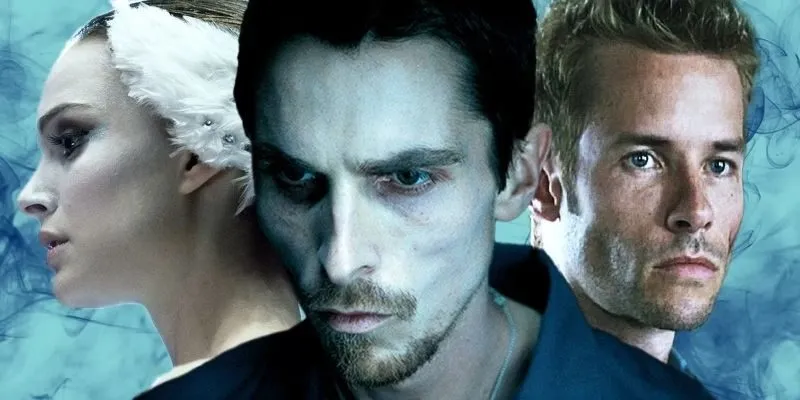
Few devices are more effective in psychological cinema than the unreliable narrator. Films like Gone Girl (2014) and Black Swan (2010) deliberately manipulate the viewer’s perception, making it impossible to trust what appears on screen. This narrative strategy creates a sustained unease that lingers long after the credits roll, which is precisely why these titles appear so frequently when psychological thriller movies ranked by genre specialists.
Character psychology over spectacle
The most celebrated entries in this genre prioritise internal conflict over external action. Directors like David Fincher, Roman Polanski, and Alfred Hitchcock built entire careers on exposing the fragile architecture of the human mind. When you examine how psychological thriller movies ranked across different eras, it becomes clear that films anchored in deeply drawn characters consistently outperform those relying on plot twists alone. The psychological depth is what keeps audiences returning.
Atmosphere and cinematographic tension
Visual storytelling plays an enormous role in distinguishing exceptional psychological thrillers from merely competent ones. The use of shadow, claustrophobic framing, and deliberately paced editing creates a sensory experience that mirrors the protagonist’s deteriorating mental state. State cinema UK has long championed films that demonstrate this level of craft, recognising that atmosphere is not decoration but the very substance of the genre. These technical elements explain why certain films dominate every credible list of psychological thriller movies ranked by industry professionals.
Psychological thriller movies ranked: the definitive table

The following table presents a carefully curated selection of essential films in the genre, drawing on critical consensus, cultural impact, and lasting influence. Each entry represents a benchmark against which other psychological thriller movies ranked titles are measured, offering a comprehensive starting point for anyone serious about exploring the genre.
| Rank | Film title | Year | Director | Key theme | Critical score |
| 1 | Vertigo | 1958 | Alfred Hitchcock | Obsession and identity | 98% (Rotten Tomatoes) |
| 2 | The Silence of the Lambs | 1991 | Jonathan Demme | Predator psychology | 96% |
| 3 | Se7en | 1995 | David Fincher | Moral corruption | 83% |
| 4 | Black Swan | 2010 | Darren Aronofsky | Perfectionism and madness | 88% |
| 5 | Gone Girl | 2014 | David Fincher | Deception and marriage | 87% |
| 6 | Shutter Island | 2010 | Martin Scorsese | Reality vs. delusion | 68% |
| 7 | Memento | 2000 | Christopher Nolan | Memory and self-deception | 93% |
| 8 | Rosemary’s Baby | 1968 | Roman Polanski | Paranoia and control | 98% |
| 9 | A Beautiful Mind | 2001 | Ron Howard | Schizophrenia and genius | 74% |
| 10 | Parasite | 2019 | Bong Joon-ho | Class anxiety and deception | 99% |
How modern cinema is reshaping psychological thriller movies ranked lists
The genre has undergone a remarkable transformation in the past decade, with filmmakers from across the globe introducing fresh perspectives and culturally specific anxieties. Contemporary audiences engaging with psychological thriller movies ranked today will notice a significant broadening of the genre’s thematic scope, moving well beyond the white Western male protagonist that once dominated the field.
The rise of social horror and class anxiety
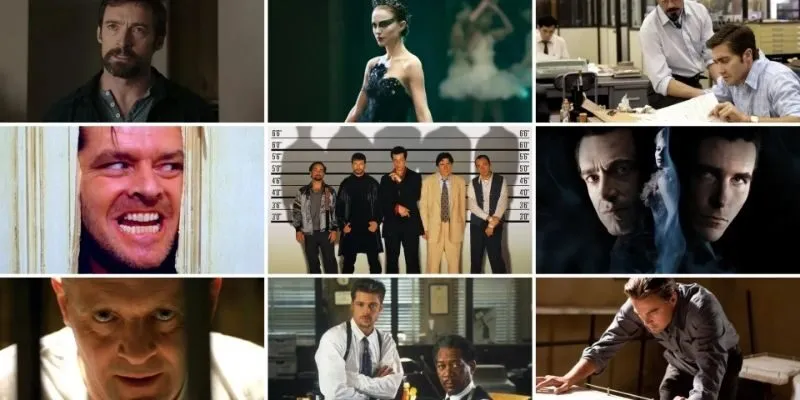
Bong Joon-ho’s Parasite redefined what a psychological thriller could accomplish when rooted in socioeconomic tension rather than individual pathology. The film’s extraordinary critical reception demonstrated that global audiences were hungry for genre cinema that reflected systemic pressures. Examining how psychological thriller movies ranked since 2019 reveals a clear upward trend for films that embed personal dread within broader social structures, a development that critics at Movie Reviews & Ratings have documented extensively.
Female-led narratives and psychological complexity
Films such as Gone Girl, Promising Young Woman (2020), and The Invisible Man (2020) have significantly shifted the genre’s centre of gravity. These works place women not merely as victims but as complex psychological agents whose inner lives drive the narrative forward. When psychological thriller movies ranked by contemporary critics, female-led entries now routinely appear in the top tier, reflecting both changing audience expectations and a broader cultural reckoning.
Technology and digital paranoia in recent thrillers
The digital age has introduced an entirely new vocabulary of fear. Films like Searching (2018) and Cam (2018) exploit anxieties surrounding surveillance, online identity, and the unknowability of those closest to us. These entries represent a genuinely new subgenre, and as psychological thriller movies ranked lists are updated annually, technology-driven narratives are claiming an increasingly prominent position. The psychological terrain of the internet age has proven extraordinarily fertile ground for filmmakers willing to explore it seriously.
Conclusion
The landscape of psychological thriller movies ranked continues to evolve, reflecting the anxieties, obsessions, and moral complexities of each era it inhabits. From Hitchcock’s masterful manipulation of audience perception to the socially charged thrillers of the present day, the genre remains one of cinema’s most intellectually rewarding traditions. Stay connected with the latest coverage, reviews, and rankings as new titles emerge and challenge everything we thought we knew about the genre.