
Writing a great film critique starts with understanding what makes a review both informative and engaging. Whether you’re a seasoned critic or a first-time contributor, following clear movie review guidelines ensures your work resonates with readers and upholds editorial standards. At state cinema UK, we believe every review should reflect genuine insight, critical thinking, and a deep appreciation for the art of cinema.
What makes a film review worth reading
A compelling film review goes far beyond simply summarising a plot. It offers readers a nuanced perspective on storytelling, direction, performance, and emotional impact. Adhering to solid movie review guidelines means balancing personal opinion with objective analysis, giving audiences the context they need to decide whether a film is worth their time.
The role of critical voice in cinema writing

Your critical voice is what sets your review apart from a synopsis. It reflects your knowledge of film language, your cultural awareness, and your ability to connect a specific work to broader cinematic traditions. A strong critical voice engages readers without becoming self-indulgent or dismissive of the filmmaker’s intent.
Following established movie review guidelines helps writers develop this voice responsibly. It encourages reviewers to consider genre conventions, directorial style, and the socio-political context in which a film was made. This depth of analysis transforms a casual opinion into a credible piece of film journalism.
Avoiding spoilers while maintaining depth
One of the most debated aspects of film criticism is how much of the story to reveal. Skilled critics manage to convey the emotional texture and thematic weight of a film without giving away key plot developments. This balance is central to any responsible set of movie review guidelines.
When writing about narrative structure or character arcs, focus on the quality of execution rather than the specific events. Phrases like “the film’s final act delivers a genuinely surprising emotional payoff” communicate impact without spoiling the experience for prospective viewers.
Structuring your review for maximum clarity
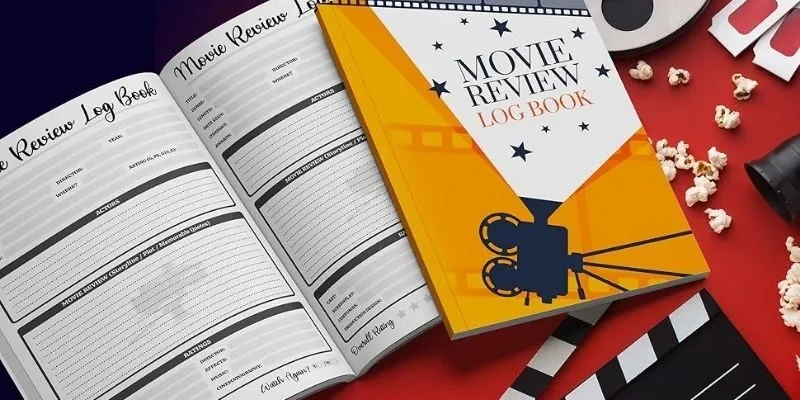
A well-structured review typically opens with a brief contextual introduction, moves into thematic and technical analysis, and closes with a considered recommendation. This format aligns with what readers expect and what editors look for when assessing submissions against movie review guidelines.
Clarity in structure also improves readability. Short, purposeful paragraphs allow readers to follow your argument without losing interest. Each section should build on the last, creating a cohesive critical narrative rather than a loose collection of observations.
Key elements covered by movie review guidelines
Understanding the specific components that movie review guidelines typically address helps writers produce more consistent, high-quality work. The table below outlines the core elements evaluated in a professional film review, along with what each criterion involves and why it matters to both readers and editors.
| Review element | What it involves | Why it matters |
| Plot summary | Brief, spoiler-free overview of the narrative | Gives readers essential context without ruining the experience |
| Direction and cinematography | Analysis of visual storytelling, camera work, and pacing | Highlights the filmmaker’s craft and artistic choices |
| Performance analysis | Assessment of acting quality and character portrayal | Helps audiences gauge emotional engagement with the film |
| Screenplay and dialogue | Evaluation of writing quality, wit, and narrative coherence | Reflects the intellectual and creative strength of the production |
| Score and sound design | Discussion of music, sound effects, and audio atmosphere | Often underrated, yet crucial to overall cinematic experience |
| Thematic depth | Exploration of the film’s underlying ideas and messages | Elevates the review from surface-level to genuinely critical |
| Final verdict and rating | Concise recommendation supported by evidence from the review | Provides readers with a clear, actionable takeaway |
How editorial standards shape film criticism at state cinema UK
Editorial integrity is the foundation of credible film criticism. At state cinema UK, our contributors are expected to approach every film with intellectual honesty, cultural sensitivity, and a genuine commitment to the craft. Our movie review guidelines are designed not to restrict creativity but to ensure every piece meets the expectations of an informed, discerning readership.
Tone, language, and accessibility

Good film criticism should be accessible without being simplistic. While technical language has its place, overloading a review with jargon can alienate general audiences. Our movie review guidelines encourage writers to explain complex cinematic concepts in plain, engaging language that respects the reader’s intelligence.
Tone is equally important. Reviews should be confident without being arrogant, critical without being dismissive, and enthusiastic without veering into promotional territory. Whether you’re reviewing an independent British drama or a major international release, maintaining a consistent, professional tone strengthens your credibility as a critic.
Handling bias and conflicts of interest
Every critic brings personal taste and cultural background to their writing, and that’s entirely natural. What matters is transparency. Our movie review guidelines ask contributors to acknowledge when personal bias might be influencing their assessment, and to ensure their arguments are grounded in observable evidence from the film itself.
Conflicts of interest, such as reviewing a film made by a personal acquaintance, must be disclosed or avoided altogether. This commitment to editorial independence is what distinguishes genuine film criticism from promotional content, and it is a standard we take seriously across all contributions.
Fact-checking and attribution in film journalism
Accuracy is non-negotiable in film journalism. When referencing production history, box office data, or biographical details about filmmakers, contributors must verify their sources. Our movie review guidelines require that all factual claims are checked before submission to maintain the trust of our readership.
Attribution matters too. If you reference another critic’s interpretation or draw on an interview with a director, cite your source clearly. Intellectual honesty in this regard not only protects the publication but also demonstrates the kind of rigorous approach that readers of serious film criticism expect and deserve.
Conclusion
Mastering the craft of film criticism requires more than a love of cinema. It demands discipline, intellectual rigour, and a clear understanding of what good writing looks like. By following established movie review guidelines, contributors can produce work that informs, challenges, and inspires readers in equal measure. Stay connected with our latest film news, reviews, and editorial updates to keep your critical writing sharp and current.