

Classic british comedy movies are more than nostalgic comfort watches; they are time capsules of British humour, class anxiety and social change. On state ciname UK, we see how these films shaped the way audiences laugh, argue and even queue at the box office. From Ealing charm to punk‑era satire, each decade refines the national taste for irony and understatement.
Why classic british comedy movies still define UK cinema

Across generations, classic british comedy movies have acted as a barometer of national mood, from post‑war resilience to Thatcher‑era cynicism. They also trained audiences to appreciate dry wit and awkward silence instead of punchline-heavy scripts. At state ciname UK, we track how these films continue to influence release strategies, festival programming and repertory screenings today.
From music hall roots to early sound comedies
The DNA of many classic british comedy movies can be traced back to music hall routines and radio farce. Early sound films adapted stage sketches almost verbatim, relying on verbal patter and regional accents. This period cemented the archetypes of the bumbling toff, the quick‑witted working‑class hero and the officious bureaucrat. These types still echo through contemporary TV sitcoms and streaming originals.
The golden age of Ealing and post‑war optimism
When fans discuss classic british comedy movies, they almost always mention the Ealing Studios era. Films like “Kind Hearts and Coronets” or “The Lavender Hill Mob” wrapped dark ideas in deceptively light plotting. They reflected a country negotiating rationing, rebuilding and shifting class hierarchies. Their tight runtimes, ensemble casts and location shooting have become case studies in film schools across the UK.
Satire, Swinging London and cultural rebellion
By the 1960s, classic british comedy movies evolved into sharper satires that targeted institutions, war myths and the establishment. The “Carry On” series, the Boulting brothers and the early work of Peter Sellers all pushed boundaries of taste and respectability. This era normalised jokes about sex, bureaucracy and the media, laying the groundwork for edgier television sketch shows. It also internationalised British humour through festival circuits and US distribution.
The most influential classic british comedy movies to revisit
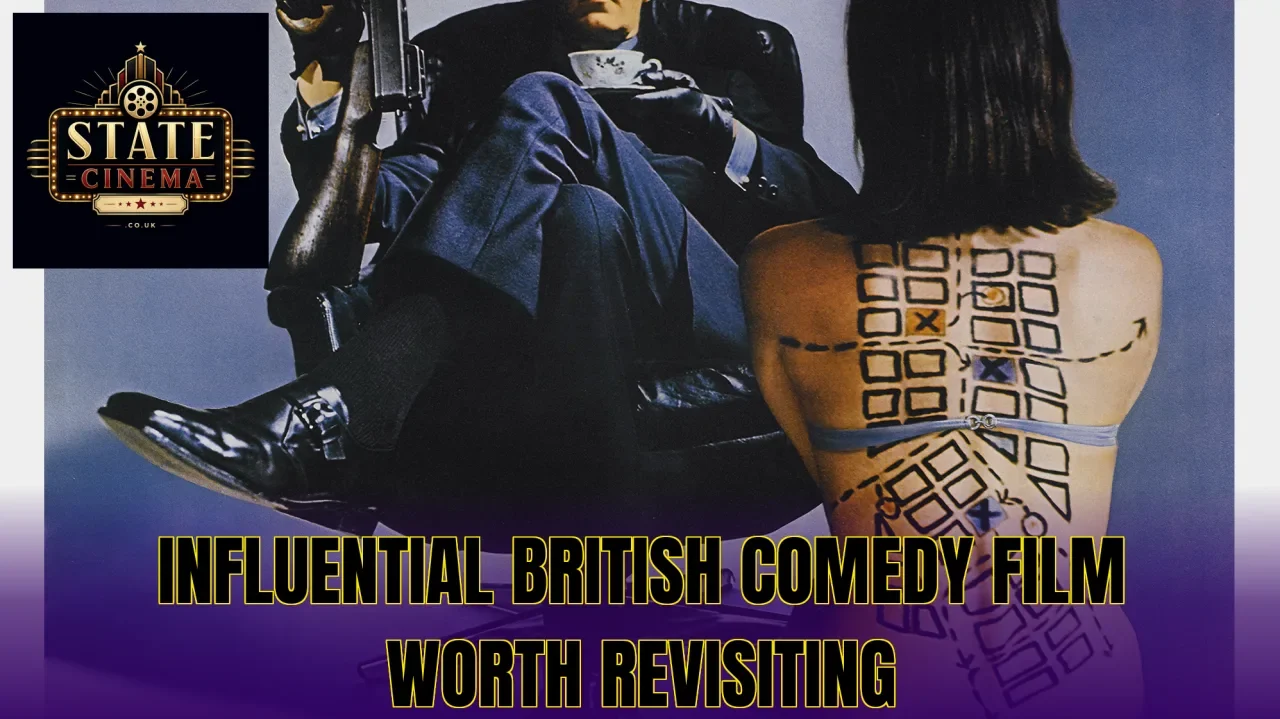
To understand how humour and cinema culture intersect, certain classic british comedy movies function as essential reference points. They showcase regional identities, shifting gender roles and new production models. Curators at state ciname UK often use these titles to anchor retrospectives and contextualise newer releases in our Movie reviews ratings hub.
Monty Python and the birth of cult absurdism
“Monty Python and the Holy Grail” and “Life of Brian” transformed expectations of classic british comedy movies by embracing surrealism and meta‑humour. Their sketch-like structure allowed for rapid tonal shifts and fearless religious and political satire. These films proved that low budgets and eccentric animation could still create global phenomena. Streaming data in 2026 shows Python titles remain among the most rewatched British comedies worldwide.
Working-class wit: from kitchen sink to council estate
Many classic british comedy movies of the 1970s and 1980s blended social realism with sharp one‑liners. Films such as “Rita, Sue and Bob Too” or “Brassed Off” used humour to explore unemployment, union decline and small‑town frustration. This approach influenced later hits like “The Full Monty” and “Billy Elliot,” which mix pathos with crowd‑pleasing set pieces. For state ciname UK, these titles are key when mapping cinema’s relationship with British labour history.
Rom‑coms, Hugh Grant and the global export of charm
By the 1990s, classic british comedy movies took a softer turn with Richard Curtis’s brand of romantic comedy. “Four Weddings and a Funeral” and “Notting Hill” repackaged London as a whimsical, multicultural playground. Their success reshaped international perceptions of Britishness, moving from fog and austerity to bookshops and bumbling charm. Box office records from the BFI highlight how these films revitalised UK distribution pipelines.
| Era | Representative title | Key comedy style | Cultural impact |
|---|---|---|---|
| 1940s–1950s | The Lavender Hill Mob | Heist farce, ensemble acting | Defined post‑war optimism and Ealing tone |
| 1970s | Monty Python and the Holy Grail | Absurdist sketch narrative | Created template for cult British comedy |
| 1990s | Four Weddings and a Funeral | Romantic ensemble comedy | Turned UK rom‑coms into export powerhouses |
| 2000s | Shaun of the Dead | Genre mash‑up, horror parody | Proved hybrid genre comedies could travel |
How classic british comedy movies shaped modern humour

Contemporary streaming hits and festival favourites still borrow rhythms, character types and tonal shifts from classic british comedy movies. In writers’ rooms across London, Edinburgh and Cardiff, screenwriters cite these films as structural blueprints. At state ciname UK, interviews with emerging filmmakers repeatedly highlight the same touchstones, from Ealing to Edgar Wright.
From sitcom structure to cinematic storytelling
Many classic british comedy movies use episodic structures that mirror radio and TV sketch formats. This makes them ideal teaching tools for pacing, escalation and payoff. Modern filmmakers often rewatch these titles to study how to land emotional beats without sacrificing laughs. The balance between farce and sincerity has become a hallmark of British screenwriting craft.
Regional voices and the evolution of accents on screen
One overlooked legacy of classic british comedy movies is the normalisation of diverse UK accents. From Glasgow patter to Yorkshire deadpan, these films broadened who could be a comedic lead. This shift paved the way for more inclusive casting in the 2000s and 2010s. Current audience surveys show viewers increasingly value authentic regional representation.
Influence on digital shorts, podcasts and streaming series
Even outside cinemas, the fingerprints of classic british comedy movies appear in web sketches, narrative podcasts and micro‑budget streaming projects. Creators remix familiar tropes like the incompetent authority figure or the mismatched duo. Our analytics at state ciname UK reveal spikes in catalogue viewing whenever a new series openly references these classics. The feedback loop between archive and innovation grows stronger each year.
Conclusion
In 2026, classic british comedy movies remain vital because they chart how Britain laughs at itself during crisis and calm alike. They continue to inform programming decisions, inspire new talent and attract young viewers discovering them via curated collections. For deeper dives into this living tradition and its modern heirs, explore State cinema UK and join the conversation about where British screen humour goes next.