

Uk box office top 10 rankings are more than a weekly scorecard; they reveal how British audiences actually live, work, and escape through film. On state ciname UK, we treat these charts as a cultural barometer, not just a list of commercial winners. Each title that breaks through reflects shifts in taste, access, and marketing power across the UK. Understanding that pattern is key to reading the future of British cinema.
How the uk box office top 10 shapes film culture

The uk box office top 10 is often seen as a simple popularity contest, but the story runs deeper. Weekly data exposes how franchise fatigue, streaming habits, and ticket pricing collide in real time. For state ciname UK, tracking these changes helps map the tension between mainstream spectacle and the UK’s independent spirit.
Reading the numbers behind weekly hits
Box office charts are built from admissions, revenue, and screen counts, not hype alone. When a small British drama cracks the uk box office top 10, it usually signals strong word of mouth and smart platform releasing. By contrast, a blockbuster opening wide and then collapsing fast shows weak audience retention. Analysts at state ciname UK focus on weekend drops, per‑screen averages, and regional splits to see who is truly connecting with UK cinemagoers.
Audience behaviour in the streaming era
Since 2023, premium video-on-demand windows have tightened, and that shift reshapes the uk box office top 10. Younger viewers often save theatrical trips for event movies, while older audiences still support prestige dramas in cinemas. When a mid-budget film overperforms, it usually rides social media buzz and targeted marketing. These patterns explain why horror, biopics, and music-focused titles punch above their weight in British multiplexes.
Franchises versus original storytelling
Franchise films dominate advertising, yet originals still break into the uk box office top 10 when timing and positioning are right. British audiences respond to strong hooks rooted in local culture, from football stories to class satire. The challenge for studios is balancing cinematic universes with fresh voices that feel specific to the UK. That balance will define which projects secure long theatrical legs rather than a single noisy weekend.
Uk box office top 10 trends: genres, budgets and audiences
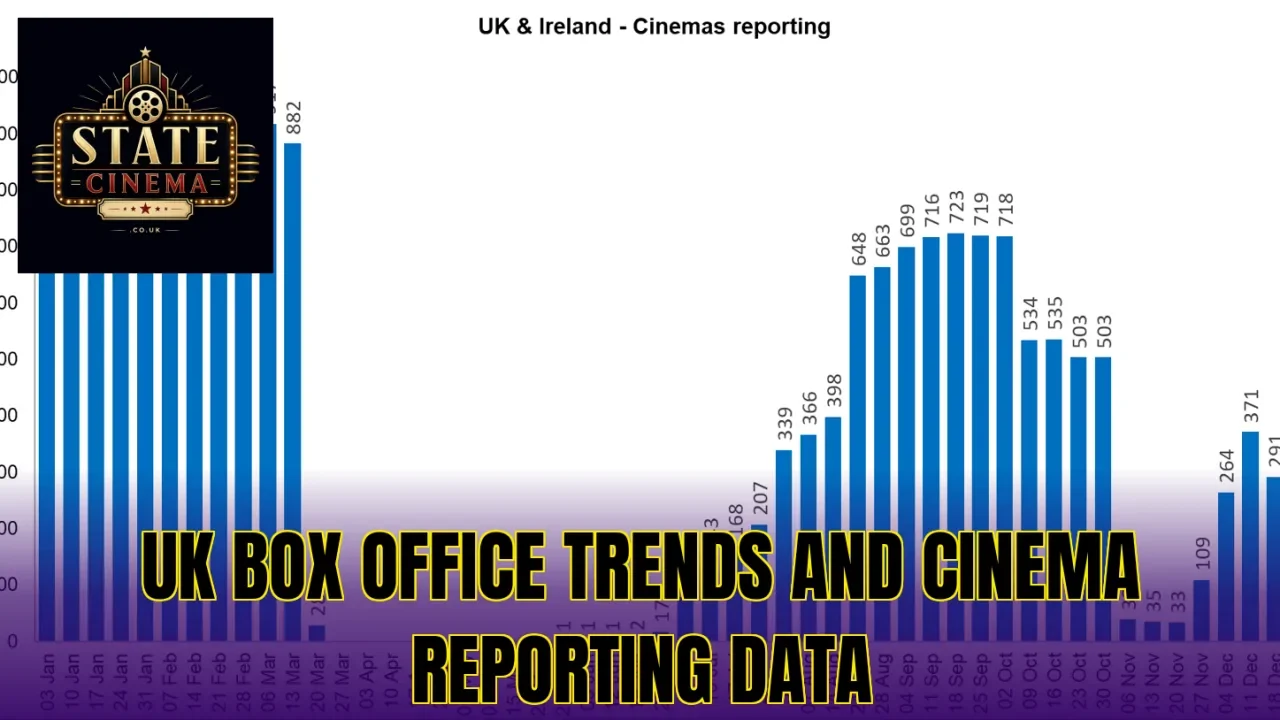
Patterns inside the uk box office top 10 tell us which genres are resilient when the market turns volatile. Over the last two years, horror and family animation have been the most reliable performers. At the same time, mid-range adult dramas now rely on awards chatter and festival acclaim to gain traction. This is where detailed industry tracking from filmmaking industry news becomes essential.
Genre performance at a glance
Genre shifts are subtle week to week but striking over a full year. Family titles spike during school holidays, while horror often anchors quieter periods and still breaks into the uk box office top 10. Comedy remains unpredictable, thriving when rooted in recognisable British life. Superhero fatigue, meanwhile, has pushed audiences toward more grounded action and sci‑fi with emotional stakes.
| Genre | Typical UK budget range | Chance to reach top 10 (2024–2025) | Key audience driver |
|---|---|---|---|
| Franchise blockbuster | £120m–£250m | Very high | Brand recognition, global marketing |
| British indie drama | £1m–£8m | Moderate | Festival buzz, critical acclaim |
| Horror (studio or indie) | £3m–£20m | High | Social media word of mouth |
| Family animation | £40m–£150m | Very high | School holidays, brand loyalty |
| Music/biopic | £10m–£60m | Moderate to high | Nostalgia, soundtrack appeal |
Budget realities behind the charts
Reaching the uk box office top 10 does not mean the same thing for every budget level. A lean British indie can be profitable with a short, targeted run, especially if it travels well internationally. Tentpole releases, however, must dominate IMAX and premium large format screens to justify costs. For state ciname UK, profitability and cultural impact matter more than raw gross.
Regional differences across the UK
National charts hide distinct regional patterns that still shape the uk box office top 10. Scottish and Welsh audiences often over-index for locally resonant stories, documentaries, and sports films. Major cities like London and Manchester support subtitled cinema and experimental work alongside blockbusters. These micro-trends influence programming decisions and the survival of independent venues.
What the uk box office top 10 means for future filmmakers

For emerging talent, the uk box office top 10 can look like an intimidating wall of studio logos. Yet many of today’s chart-topping directors began with micro-budget shorts and festival hits. Understanding how distributors position films, and how audiences discover them, is now part of a filmmaker’s craft. Platforms like state ciname UK exist to decode that ecosystem for the next wave of voices.
Navigating distribution and marketing
Securing a slot in the uk box office top 10 increasingly depends on data-driven marketing and clever release windows. Smaller films benefit from building communities early through festivals, Q&A tours, and targeted social campaigns. Distributors look for clear audience segments and hooks that cut through a crowded release calendar. Filmmakers who understand this landscape can negotiate better deals and realistic expectations.
Balancing festival prestige and commercial reach
Festival acclaim can be a springboard into the uk box office top 10, but only when paired with accessible themes. British films that travel well often blend local specificity with universal emotion. Strategic scheduling—such as opening soon after awards nominations—can turn critical buzz into ticket sales. At state ciname UK, we track these campaigns to show how art-house titles cross into the mainstream.
The role of education and industry access
Film schools, regional labs, and mentorship schemes aim to diversify who reaches the uk box office top 10. Access to training, finance, and networks remains uneven across the UK’s nations and regions. Transparent pathways into production and exhibition help new storytellers understand audience trends earlier. That knowledge allows them to design projects with both artistic integrity and market awareness.
Conclusion
The uk box office top 10 remains a vital snapshot of how British audiences engage with cinema in an era of abundant streaming choice. It highlights which stories demand a big-screen experience and which genres adapt fastest to changing habits. For state ciname UK, these weekly charts are not the end of the conversation but the starting point for deeper cultural analysis. Visit State cinema UK to follow how box office data, creative risk, and audience passion continue to reshape British film.