
When choosing between premium cinema formats, the debate around imax vs 4dx cinema comes up more often than ever. Both offer something far beyond a standard screen, yet they deliver completely different experiences. Whether you’re after breathtaking visual scale or full-body immersion, understanding what sets these two formats apart will help you make a smarter choice before you buy your next ticket.
Imax vs 4dx cinema: understanding the core difference
At first glance, both imax vs 4dx cinema formats seem to promise the same thing — a bigger, better movie experience. But the philosophy behind each is fundamentally different. IMAX is built around visual and audio fidelity, while 4DX prioritises physical sensation and sensory engagement. Knowing this distinction is the foundation for everything else.
What makes IMAX stand out
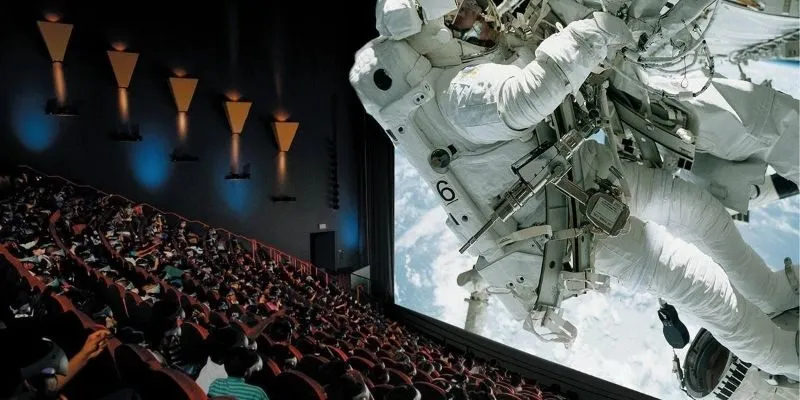
IMAX, which stands for Image Maximum, was developed to push the boundaries of what a cinema screen can show. The format uses specially designed cameras, proprietary projection technology, and a curved screen that can stretch up to 26 metres wide. Films shot natively in IMAX capture a taller aspect ratio, meaning you see more of the frame than in any standard format. The result is an image so detailed and expansive that it genuinely changes how you perceive a film.
Sound is equally central to the IMAX proposition. The custom speaker systems are calibrated to deliver audio that feels directional and three-dimensional, wrapping around the audience rather than simply projecting from the front. For cinephiles at state cinema UK, this combination of visual scale and acoustic precision makes IMAX the preferred choice for films that were crafted with the format in mind.
What makes 4DX different
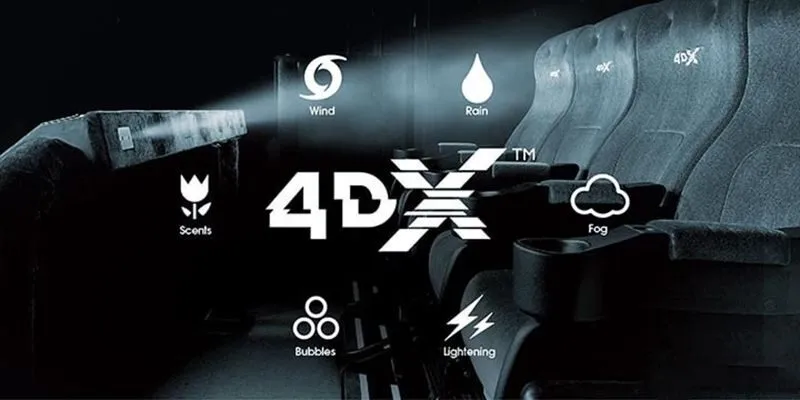
4DX takes an entirely different approach. Rather than enhancing what you see and hear, it focuses on what you feel. Seats in a 4DX auditorium are motorised, capable of pitching, rolling, and vibrating in sync with on-screen action. Beyond movement, the environment itself responds to the film — jets of air, water mist, scent dispensers, and strobe lighting all activate at precise moments to simulate the world on screen.
This sensory layering is designed to blur the line between watching a film and inhabiting it. An explosion on screen becomes a physical jolt in your seat. A rain scene triggers a fine mist above your head. For action blockbusters and adventure films, 4DX creates a ride-like atmosphere that standard cinemas simply cannot replicate.
Which format suits which film?
The type of film you’re watching plays a significant role in the imax vs 4dx cinema decision. IMAX excels with visually dense films — space epics, war dramas, nature documentaries, and anything where the director has composed shots with scale in mind. Christopher Nolan’s work, for instance, is widely regarded as best experienced in IMAX. 4DX, by contrast, thrives with high-energy spectacles: superhero films, disaster movies, and fast-paced action sequences where physical feedback amplifies the adrenaline.
- IMAX is ideal for: visually composed dramas, sci-fi epics, documentary films
- 4DX is ideal for: action blockbusters, animated adventures, horror films
- Both formats are available at select premium venues across the UK
Imax vs 4dx cinema: a side-by-side comparison
To make the imax vs 4dx cinema choice clearer, the table below breaks down the key differences across the most important criteria for UK cinema-goers. Each format has genuine strengths, and the right choice depends heavily on personal preference and the film itself.
| Feature | IMAX | 4DX |
| Screen size | Massive, up to 26m wide, curved | Standard to large, no curve |
| Image quality | Exceptional — native IMAX ratio, razor-sharp | Standard digital projection |
| Sound system | Custom 12-channel surround, immersive | Standard Dolby or DTS surround |
| Seat movement | Fixed, traditional seating | Motorised, multi-axis motion seats |
| Environmental effects | None | Wind, mist, scent, strobe, bubbles |
| Ticket price (UK avg) | £18–£25 | £20–£28 |
| Best for | Visual storytelling, epic cinematography | Action, adventure, high-energy genres |
| Accessibility | Suitable for most audiences | Not suitable for motion sensitivity |
| Film availability | Wide — many major releases | Selective — primarily blockbusters |
Making the right choice: practical tips for UK cinema-goers
Deciding between imax vs 4dx cinema ultimately comes down to what you want to walk away feeling. Both formats justify their premium pricing, but for different reasons. If you’re someone who values the craft of filmmaking — the composition, the colour grading, the director’s intent — then IMAX is almost always the superior choice. It respects the film as an artistic work and enhances it without distraction.
Consider your physical comfort

One factor that rarely gets discussed in the imax vs 4dx cinema debate is physical comfort. 4DX seats move constantly throughout the film, which can be exhilarating for some but genuinely uncomfortable for others. Anyone with back problems, motion sensitivity, or a low tolerance for sensory overload may find the experience more exhausting than enjoyable. IMAX seats, by contrast, are typically wider and more ergonomically designed for long viewing sessions.
It’s also worth noting that 4DX effects can occasionally feel mistimed or excessive, particularly in slower dramatic scenes where the movement serves little narrative purpose. This is a known criticism of the format and something to keep in mind if the film you’re seeing blends action with quieter emotional moments.
Think about the film’s production intent
Not every film benefits equally from premium formats. When a director has shot a film natively in IMAX — as is increasingly common with major studio productions — the difference in image quality is immediately visible. The frame opens up, revealing detail that simply doesn’t exist in a standard digital print. For films not shot in IMAX, the upscaling still improves the experience, but the gain is less dramatic.
For 4DX, the effects are programmed specifically for each film by a dedicated team. Some titles receive a more thoughtfully designed 4DX experience than others. Reading reviews of the 4DX version specifically, rather than the film in general, can help you gauge whether the effects package is worth the additional cost. Resources like Cinema Guide & Culture offer useful context for making these decisions.
Budget and repeat viewings
Premium formats come at a premium price, and this matters when planning repeat viewings. Many dedicated film fans choose to see a film first in IMAX to absorb the story and cinematography, then revisit it in 4DX for a more visceral second experience. This approach gives you the best of both worlds without compromising either. If budget only allows for one premium viewing, consider the genre and your personal priorities in the imax vs 4dx cinema comparison before committing.
Conclusion
The imax vs 4dx cinema debate doesn’t have a single right answer — it depends on the film, your preferences, and what you value most from a cinema visit. IMAX delivers unmatched visual and audio fidelity, while 4DX offers a uniquely physical, immersive ride. Both are worth experiencing at least once. Stay connected with state cinema UK for the latest news, reviews, and guides to help you choose the best format for every film you see.