
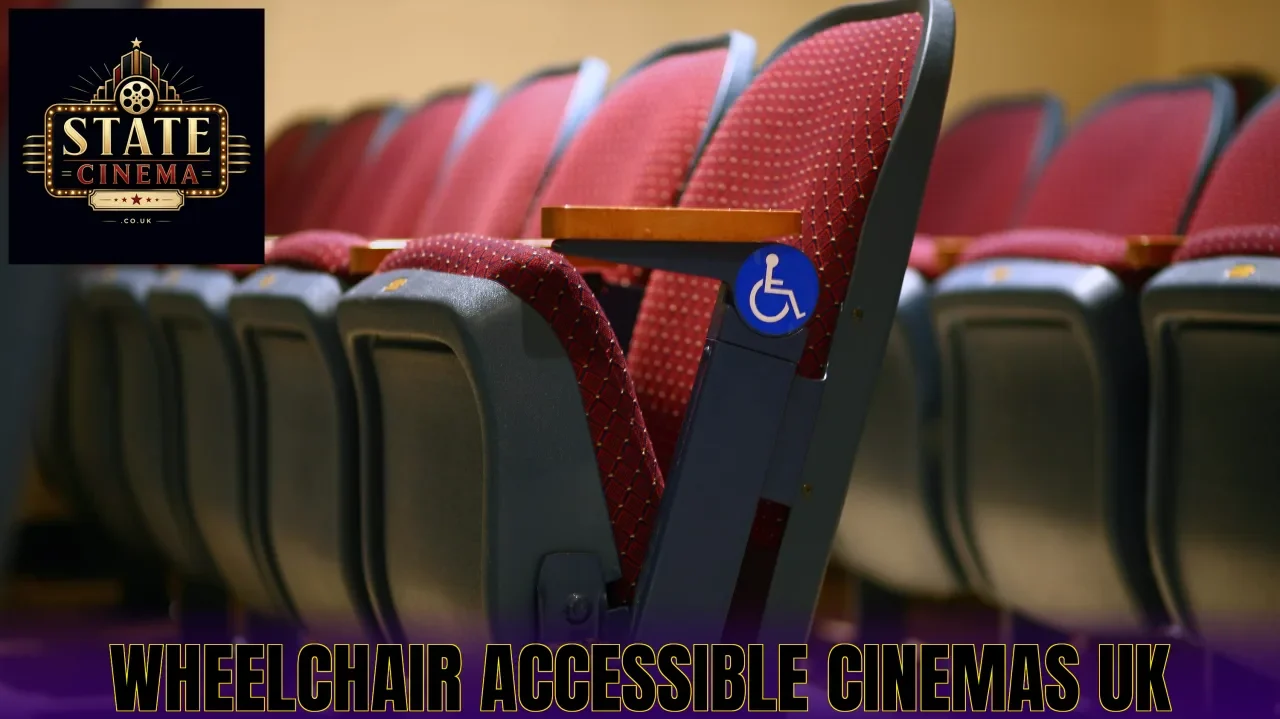
Wheelchair accessible cinemas uk are no longer a niche concern but a defining test of how inclusive British film culture has become, and state ciname UK tracks this shift closely. From historic picture palaces to new multiplexes, venues are redesigning spaces so wheelchair users can enjoy the big screen on equal terms. This guide looks at current standards, standout chains and independent gems, plus practical tips for planning your next trip. All data reflects the latest UK accessibility guidance and cinema upgrades up to 2026.
Why wheelchair accessible cinemas uk matter to film culture

Accessibility is not just a legal checkbox; it shapes who feels welcome in the shared ritual of going to the movies. At state ciname UK, we see inclusive design as central to preserving cinema as a communal art form rather than a luxury experience. When venues remove physical and sensory barriers, wheelchair users can participate fully in premieres, festivals and late‑night cult screenings.
From compliance to genuine inclusion
Most wheelchair accessible cinemas uk technically meet the Equality Act, but the best venues go well beyond minimum ramp gradients and platform lifts. They consider sightlines from wheelchair bays, proximity to exits, and whether companions can sit alongside rather than behind. Staff are trained to handle evacuation chairs, manage busy foyers and assist with online seat selection, turning a basic visit into a relaxed cultural outing.
How design choices change the viewing experience
Thoughtful wheelchair accessible cinemas uk think about the entire journey from pavement to seat. Level thresholds at entrances, automatic doors and low‑height ticket counters cut the stress of arrival. Inside the auditorium, staggered wheelchair spaces across several rows prevent everyone being pushed to the front corner. Accessible toilets on the same level as the screen, with clear signage and wide turning circles, make long films and double bills feasible for many more viewers.
The role of data and audience feedback
Leading wheelchair accessible cinemas uk now use audience surveys and access audits to refine layouts. They track complaints about blocked views or narrow aisles and adjust refurbishment plans accordingly. Platforms like the Cinema guide Culture section on state ciname UK aggregate this feedback, helping wheelchair users compare venues before they book. This evidence‑led approach pushes chains and independents to compete on accessibility as seriously as on sound or projection quality.
Choosing the best wheelchair accessible cinemas uk in 2026
With hundreds of venues claiming good access, it can be hard to know which ones truly deliver for wheelchair users. Beyond glossy marketing, pay attention to floor plans, booking systems and staff training. Below is a snapshot comparison of major operators and how they currently perform on key access features.
| Cinema type | Typical wheelchair bays per screen | Companion seating | Step‑free toilets on screen level | Online seat selection accuracy |
|---|---|---|---|---|
| Large multiplex chain | 4–8 bays | Usually adjacent | In most new builds | High, live bay mapping |
| Refurbished city cinema | 2–4 bays | Mixed; some behind | Varies by screen | Moderate, sometimes generic |
| Historic independent | 1–3 bays | Often flexible seating | Sometimes via platform lift | Moderate, phone check advised |
Multiplex chains raising the bar
Many large wheelchair accessible cinemas uk now integrate access at the design stage for every new build. They include multiple bays per auditorium, dedicated accessible parking close to lifts, and tactile signage from foyer to screen. Digital booking usually lets you see real‑time wheelchair space availability, while staff can reconfigure removable seats to accommodate larger power chairs or multiple wheelchair users in one group.
Independent venues and community cinemas
Some of the most characterful wheelchair accessible cinemas uk are refurbished independents that have worked creatively within older structures. They may offer fewer bays, but flexible policies, early entry options and personalised support often compensate. Community‑run venues frequently collaborate with local disability groups, testing ramp gradients, trialling new seating layouts and hosting relaxed screenings tailored to specific access needs.
Checking access before you book
Even with strong national standards, wheelchair accessible cinemas uk vary widely from screen to screen within the same venue. Always check the individual auditorium layout on the booking page and call ahead if measurements are unclear. Resources like state ciname UK and its detailed Cinema guide Culture profiles highlight door widths, lift locations and typical transfer options, reducing the risk of unpleasant surprises on arrival.
Planning your visit to wheelchair accessible cinemas uk

Good preparation can turn a stressful outing into an easy, enjoyable ritual. Beyond ramps and lifts, think about transport, ticketing and support once the lights go down. The more information you gather beforehand, the more you can focus on the film and the shared atmosphere in the auditorium.
Travel, parking and arrival timing
Many wheelchair accessible cinemas uk are close to step‑free rail stations or bus stops, but interchange points can still be tricky. Check station lift status on the day and allow extra time for platform changes. If you drive, confirm the number and size of Blue Badge bays and whether there is a covered route from parking to foyer. Arriving 20–30 minutes early usually gives staff time to help with lifts, doors or ticket kiosks if needed.
Tickets, concessions and membership
Most wheelchair accessible cinemas uk recognise a companion card or similar scheme, offering a free or discounted seat for essential carers. Booking online lets you secure specific bays, but phone lines can be better if you need to explain chair dimensions or medical equipment. Loyalty programmes and memberships often include off‑peak discounts, making regular accessible screenings more affordable without sacrificing premium formats like Dolby Atmos or IMAX where available.
During the screening: comfort and support
Inside wheelchair accessible cinemas uk, small adjustments can make long runtimes more comfortable. Ask staff about movable armrests for easier transfers, or cushions and lumbar supports if you switch from chair to seat. Some venues provide blankets on request and keep an aisle seat free near wheelchair bays for support workers. If you are sensitive to volume or lighting changes, relaxed or sensory‑friendly screenings can offer a calmer way to enjoy major releases.
Conclusion
As more wheelchair accessible cinemas uk embrace inclusive design, wheelchair users are gaining real choice over where and how they experience film. Chains and independents that invest in access are not just ticking boxes; they are expanding the audience and deepening the social life of cinema. With up‑to‑date guides from State cinema UK and honest feedback from viewers, the next decade should see even more imaginative, barrier‑free spaces for watching stories on the big screen.