
When it comes to cinema that challenges the imagination and redefines storytelling, nothing compares to the best sci fi movies of all time. From dystopian futures to interstellar exploration, science fiction has consistently pushed the boundaries of what film can achieve. These stories tap into humanity’s deepest fears and greatest hopes, using speculative technology and alien worlds as mirrors for our own society. Whether you’re a lifelong fan or just discovering the genre, understanding which films truly stand the test of time is essential viewing knowledge for any serious cinephile.
What Makes The Best Sci Fi Movies Of All Time So Enduring?
Science fiction endures because it does something no other genre can quite replicate — it places the extraordinary within an emotionally grounded human story. The best sci fi movies of all time don’t simply dazzle audiences with futuristic visuals or advanced technology. They ask fundamental questions about identity, consciousness, freedom, and survival. When a film like Blade Runner asks what it means to be human, or when 2001: A Space Odyssey contemplates mankind’s place in the cosmos, the conversation extends far beyond the screen and into real philosophical territory.
The Role Of Visionary Filmmakers In Defining The Genre
Directors such as Stanley Kubrick, Ridley Scott, Christopher Nolan, and Denis Villeneuve have each contributed landmark works that define what the best sci fi movies of all time look and feel like. Kubrick’s meticulous precision gave us the haunting stillness of deep space. Scott’s atmospheric world-building created neo-noir futures that felt lived-in and decayed. Nolan’s obsession with time and perception produced mind-bending narratives that reward repeated viewing. Villeneuve brought literary depth to the genre with films like Arrival and Blade Runner 2049, proving that science fiction can carry the emotional weight of the finest dramatic cinema.
Themes That Transcend Time And Technology
The greatest science fiction films succeed not because of their special effects but because of their thematic resonance. Artificial intelligence, climate collapse, genetic engineering, and first contact with alien civilisations are not merely plot devices — they are reflections of anxieties that define each era. Films like The Matrix, Interstellar, and Metropolis explore power, control, and human resilience in ways that feel as urgent today as when they were first released. This thematic universality is precisely why the best sci fi movies of all time continue to attract new audiences across generations.
How Cultural Context Shapes Iconic Sci Fi Cinema
Science fiction is never created in a vacuum. Cold War paranoia shaped the alien invasion films of the 1950s. The space race inspired optimistic visions of cosmic exploration throughout the 1960s and 70s. The digital revolution fuelled cyberpunk narratives in the 1980s and 90s. Today, climate anxiety and artificial intelligence dominate the genre’s imagination. Understanding the cultural backdrop behind each film adds an entirely new layer of appreciation for why certain titles consistently appear on every list of the best sci fi movies of all time.
A Deep Dive Into The Best Sci Fi Movies Of All Time By Decade
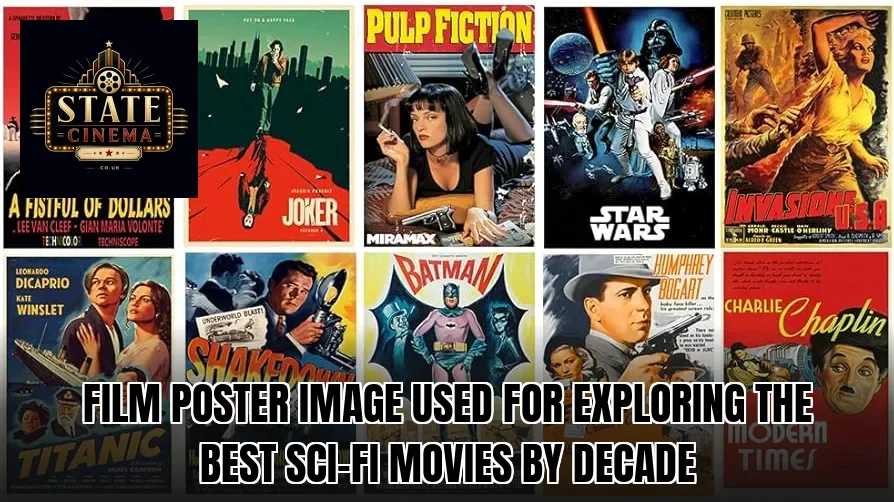
Ranking science fiction across decades requires acknowledging that each era had its own aesthetic language, technological limitations, and cultural preoccupations. The following breakdown highlights the most significant and critically acclaimed films from each major period, offering a structured view of how the genre evolved into the cinematic powerhouse it is today.
Classic Era: 1950s Through 1970s
The foundation of modern science fiction cinema was laid during these three remarkable decades. Forbidden Planet (1956) brought Shakespeare to outer space and introduced the concept of the id as a destructive force. 2001: A Space Odyssey (1968) redefined what cinema itself could be, abandoning conventional narrative in favour of pure visual and philosophical experience. Star Wars (1977) democratised science fiction, making it accessible to mass audiences while retaining mythological depth. These titles remain cornerstones of any serious discussion of the best sci fi movies of all time and established the visual and narrative grammar that subsequent filmmakers would build upon.
The Golden Age: 1980s And 1990s Masterpieces
The 1980s and 90s produced an extraordinary concentration of films that still dominate best-of lists. Blade Runner (1982) created the cyberpunk aesthetic that influenced everything from fashion to architecture. Terminator 2: Judgment Day (1991) demonstrated that blockbuster spectacle and genuine emotional storytelling were not mutually exclusive. The Matrix (1999) arrived at the turn of the millennium with a philosophical punch that sparked genuine academic debate. These decades represent a golden period for the best sci fi movies of all time, combining practical effects craftsmanship with genuinely ambitious storytelling.
Modern Masterworks: 2000s To Present Day
Contemporary science fiction has embraced complexity and emotional intimacy in ways that earlier eras rarely attempted. Eternal Sunshine of the Spotless Mind (2004) explored memory and love through a science fiction lens with devastating emotional honesty. Arrival (2016) used linguistics and non-linear time to craft one of the most moving first-contact stories ever committed to film. Dune: Part Two (2024) brought Frank Herbert’s epic to life with breathtaking scale. These recent entries confirm that the conversation around the best sci fi movies of all time remains very much alive and evolving.
Essential Films Every Fan Should Know
Beyond individual rankings, certain films are considered essential viewing for anyone who wants a comprehensive understanding of the genre. The following table presents a curated selection of landmark science fiction films, each representing a distinct era, style, and thematic concern within the broader landscape of the best sci fi movies of all time.

| Film Title | Year | Director | Core Theme | IMDb Rating |
|---|---|---|---|---|
| 2001: A Space Odyssey | 1968 | Stanley Kubrick | Evolution & AI | 8.3 |
| Blade Runner | 1982 | Ridley Scott | Identity & Humanity | 8.1 |
| The Matrix | 1999 | The Wachowskis | Reality & Control | 8.7 |
| Interstellar | 2014 | Christopher Nolan | Time & Love | 8.7 |
| Arrival | 2016 | Denis Villeneuve | Language & Time | 7.9 |
| Dune: Part Two | 2024 | Denis Villeneuve | Power & Prophecy | 8.5 |
Each of these films demonstrates a distinct approach to speculative storytelling. What unites them is a refusal to treat their science fiction premise as mere backdrop. Instead, the speculative elements are inseparable from the emotional and philosophical core of the narrative. This integration of concept and character is the defining quality of any film that earns its place among the best sci fi movies of all time.
Conclusion
The conversation around the best sci fi movies of all time is one of cinema’s most enduring and rewarding debates. From Kubrick’s cosmic silences to Villeneuve’s epic world-building, the genre has produced some of the most intellectually stimulating and emotionally resonant films in the history of the medium. Whether you are compiling your own watchlist or simply looking to deepen your appreciation for speculative cinema, these films offer an unparalleled journey through imagination, philosophy, and human experience. For expert reviews, curated recommendations, and in-depth coverage of classic and contemporary releases, visit State Cinema UK — your trusted guide to the world of film.
Xem thêm: latest hollywood movie reviews & Ratings for New Releases