
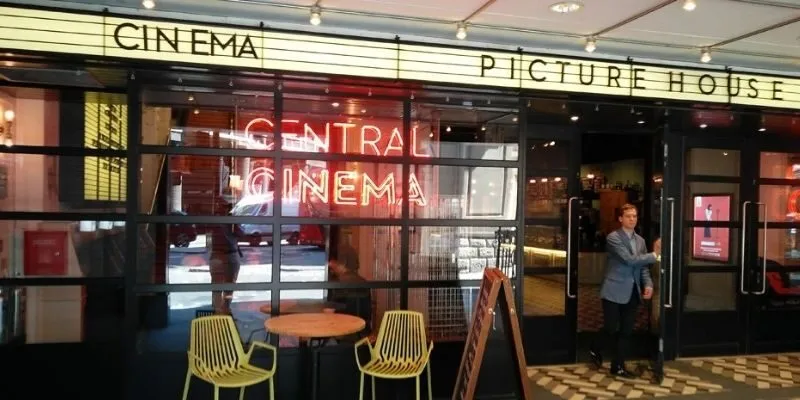
London’s cinema scene is rich with history, but few experiences match the charm and character of an independent picturehouse london offers its visitors. These intimate venues go beyond mainstream multiplex culture, curating films, events, and atmospheres that speak to genuine cinephiles. Whether you’re a local or a tourist, stepping into one of these beloved spaces […]
Lưu trữ danh mục: Cinema Guide & Culture
Cinema Guide & Culture: Exploring Film, History And Trends
For anyone passionate about film, understanding the world of Cinema Guide & Culture opens a doorway to richer viewing experiences, deeper appreciation of storytelling, and a genuine connection with the history of moving images. Whether you’re a casual filmgoer or a dedicated cinephile, navigating the cultural landscape of cinema requires both knowledge and curiosity — two qualities that define the best film communities across the UK and beyond.
The rich history behind UK state cinema
The story of Cinema Guide & Culture in the United Kingdom is deeply intertwined with the rise of independent and state-supported film houses that prioritised artistic value over commercial gain. From the early silent film era to the vibrant arthouse movement of the 20th century, British cinema culture has always championed diversity, creativity, and community engagement.
The birth of independent film venues

Independent cinemas emerged as cultural sanctuaries in the mid-20th century, offering audiences access to foreign language films, experimental works, and restored classics that mainstream multiplexes overlooked. These venues became gathering points for intellectuals, artists, and ordinary people who wanted more from their cinema experience.
Their programming philosophy — rooted in curation rather than commercial calculation — laid the groundwork for what we now recognise as a thriving Cinema Guide & Culture tradition in Britain. The influence of these early independent spaces can still be felt today in venues like the state cinema UK, which continue to honour that legacy through thoughtful programming and community-focused events.
How state support shaped cinematic identity
Government and arts council funding played a decisive role in preserving the identity of non-commercial cinema throughout the latter half of the 20th century. Without this support, many of Britain’s most beloved independent venues would have closed under the pressure of rising property costs and shifting entertainment trends. State-backed cinemas were able to take risks on challenging, unconventional films that might not attract large audiences but contributed enormously to cultural dialogue.
This model of cultural investment created an ecosystem where Cinema Guide & Culture could flourish beyond profit-driven constraints. Filmmakers, critics, and audiences benefited equally from an environment that valued artistic merit, and the resulting culture of film literacy in the UK became one of the most respected in the world.
Regional cinema culture and its unique contributions

Beyond London, regional cinema venues across England, Scotland, Wales, and Northern Ireland developed their own distinct identities, reflecting the communities they served. From seaside towns to post-industrial cities, local cinemas became mirrors of regional life, screening films that spoke to local histories and contemporary social issues. This regional diversity enriched the broader Cinema Guide & Culture conversation, ensuring that film appreciation was never the exclusive domain of metropolitan audiences.
Essential elements of a meaningful cinema experience
The following table outlines the key components that distinguish a culturally rich cinema experience from a standard commercial screening, drawing on the principles that define the best independent and state-supported venues across the UK.
| Element | Description | Cultural significance |
| Curated programming | Films selected for artistic, historical, or social relevance | Encourages critical thinking and broadens audience perspectives |
| Pre-screening introductions | Context provided by curators, critics, or filmmakers | Deepens engagement and supports film literacy |
| Post-film discussions | Facilitated conversations after screenings | Builds community and enriches interpretation |
| Archive and restoration screenings | Presentation of restored classic or rare films | Preserves cinematic heritage for future generations |
| Educational outreach | School visits, workshops, and youth programmes | Cultivates the next generation of film enthusiasts |
| Accessibility initiatives | Subtitled, audio-described, and relaxed screenings | Ensures cinema culture is inclusive and welcoming |
How Cinema Guide & Culture shapes modern film audiences
In an era dominated by streaming platforms and on-demand content, the role of the physical cinema as a cultural institution has never been more important. The shared experience of watching a film in a carefully designed space, surrounded by fellow audience members, creates a form of collective engagement that no home screen can replicate. This is the essence of what Cinema Guide & Culture seeks to preserve and promote — the idea that cinema is not merely entertainment but a communal art form.
Building film literacy through curated screenings

Venues committed to Cinema Guide & Culture programming actively build this literacy by placing individual films within broader historical and aesthetic contexts. A screening of a 1960s Italian neorealist film, for instance, becomes far more meaningful when audiences understand the social conditions that shaped it.
Resources like Cinema Guide & Culture provide audiences with the contextual knowledge they need to engage more deeply with films, offering guides, reviews, and cultural commentary that transform passive viewing into active participation. This kind of informed engagement is what separates a truly rich cinema culture from simple mass entertainment consumption.
The role of film festivals in cultural exchange
Film festivals represent one of the most dynamic expressions of Cinema Guide & Culture, bringing together filmmakers, critics, and audiences from around the world to celebrate the art of cinema in concentrated, energetic bursts. In the UK, festivals ranging from the BFI London Film Festival to smaller regional events create opportunities for audiences to encounter films they would never otherwise see, from debut features by emerging directors to retrospectives of neglected masterworks.
These events also function as cultural diplomacy, introducing British audiences to cinema traditions from Latin America, East Asia, the Middle East, and sub-Saharan Africa. The cross-cultural dialogue generated by film festivals reinforces the idea that Cinema Guide & Culture is a global conversation, one that transcends language barriers and national boundaries through the universal language of moving images.
Digital tools and the future of film engagement
Technology has transformed how audiences access information about films, venues, and cultural events. Online platforms, apps, and dedicated websites now play a central role in supporting Cinema Guide & Culture by making it easier for people to discover screenings, read critical essays, and connect with other film enthusiasts. The best digital resources combine accessibility with depth, offering everything from simple event listings to comprehensive analyses of film movements and individual directors.
Social media communities dedicated to independent and arthouse cinema have also grown significantly, creating spaces where passionate film lovers can share recommendations, debate interpretations, and organise group visits to their local venues. These communities extend the cultural conversation beyond the cinema walls, ensuring that the experience of watching a film continues long after the credits roll.
Conclusion
Exploring Cinema Guide & Culture is ultimately about recognising cinema as one of humanity’s most powerful means of communication, empathy, and artistic expression. The UK’s tradition of state-supported and independent film culture offers a model for how communities can invest in shared cultural experiences that enrich public life. Stay connected with the latest news, screening announcements, and cultural commentary to keep your film journey moving forward.

12
Th6
Th6
For many film lovers, the traditional cinema experience remains irreplaceable — a ritual that goes far beyond simply watching a film. From the moment you step into a grand foyer to the instant the lights dim and the curtain rises, every detail is carefully crafted to transport you into another world. In the UK, this […]

12
Th6
Th6
The United Kingdom holds an extraordinary legacy when it comes to cinema architecture and cultural heritage. Historic british picture houses represent more than just venues for watching films — they are living monuments to a golden era of entertainment, community gathering, and architectural ambition. From ornate Edwardian facades to grand Art Deco interiors, these buildings […]

12
Th6
Th6
When choosing between premium cinema formats, the debate around imax vs 4dx cinema comes up more often than ever. Both offer something far beyond a standard screen, yet they deliver completely different experiences. Whether you’re after breathtaking visual scale or full-body immersion, understanding what sets these two formats apart will help you make a smarter […]

12
Th6
Th6
When it comes to the best cinemas in the UK, the country offers an extraordinary range of screening experiences — from grand historic picture houses to cutting-edge multiplex venues. Whether you’re a casual moviegoer or a dedicated film enthusiast, knowing where to watch matters just as much as what you watch. This guide explores the […]