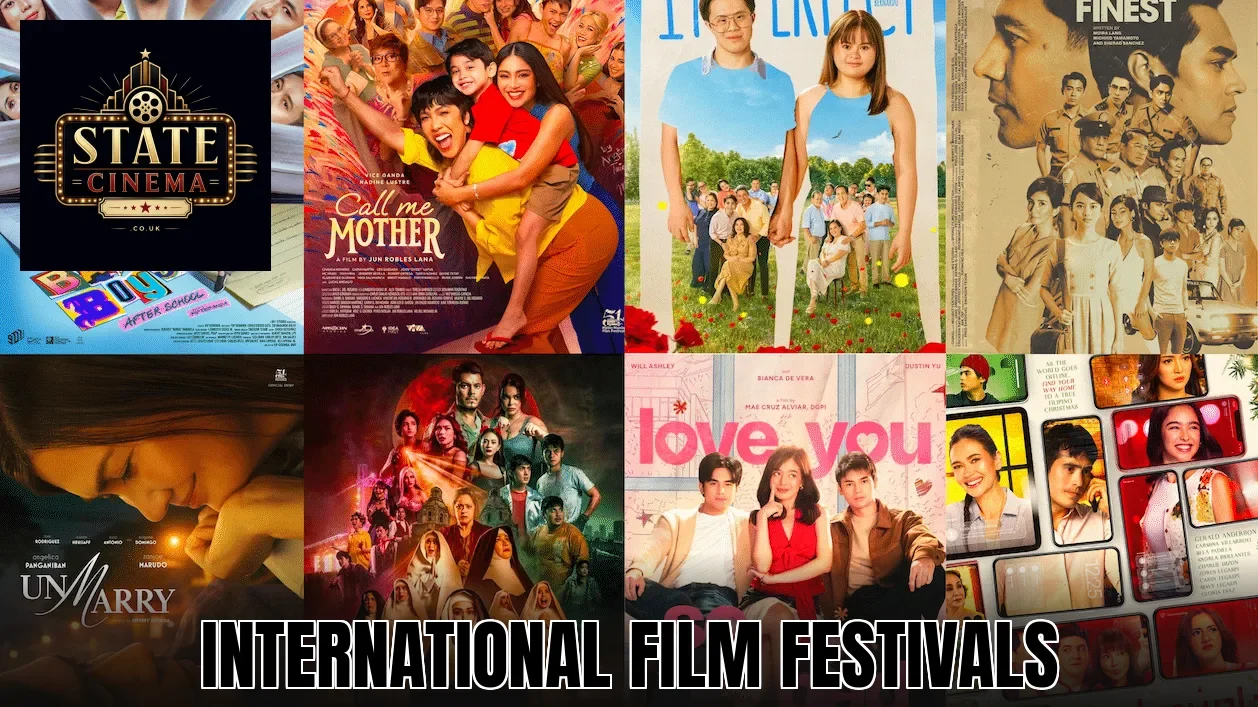
Every year, the international film festival circuit brings together filmmakers, critics, and cinephiles from across the globe to celebrate the art of cinema in its most diverse and powerful forms. These events are far more than glamorous red carpets — they serve as cultural crossroads where storytelling transcends language, geography, and ideology. From Cannes to Sundance, from Berlin to Toronto, each festival carries its own identity and mission. Understanding what makes these gatherings so significant helps audiences and industry professionals alike appreciate the full scope of what cinema can achieve on a world stage.
The History And Evolution Of The International Film Festival
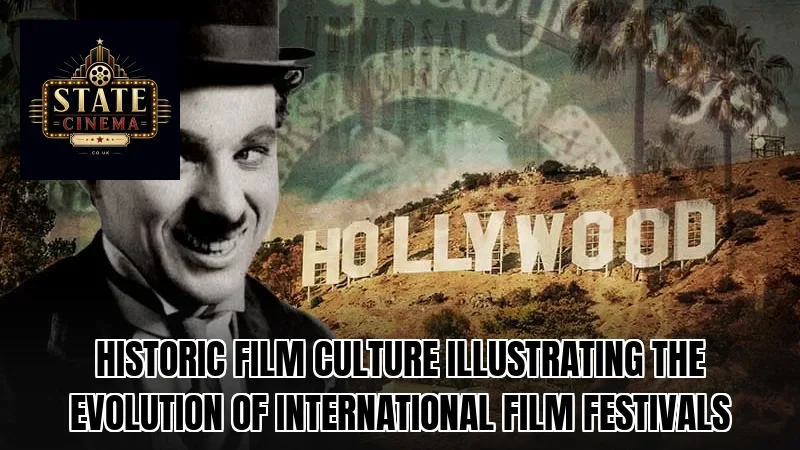
The roots of the modern international film festival stretch back nearly a century, with the Venice Film Festival widely recognized as the oldest, founded in 1932. What began as a modest showcase organized under the patronage of Mussolini’s government quickly evolved into a prestigious platform for artistic expression and critical dialogue. Over the following decades, other major festivals emerged, each carving out a unique identity within the global film community. The trajectory of these events mirrors the broader evolution of cinema itself — from silent films to digital storytelling, from national propaganda to transnational co-productions.
From Venice To Cannes: The Birth Of A Global Tradition
The Cannes Film Festival, established in 1946, became the world’s most iconic cinematic gathering almost immediately upon its founding. It introduced competitive awards such as the Palme d’Or, elevating film criticism to an art form in itself. These two foundational events set the template for what an international film festival could be — a space where commercial ambition and artistic integrity coexist under the same spotlight. Their influence spread rapidly, inspiring the creation of dozens of similar events across Europe, Asia, and the Americas throughout the mid-twentieth century.
The Rise Of Regional And Specialized Film Festivals
As the concept matured, the international film festival format diversified significantly. Regional festivals began to champion underrepresented voices, including those from Sub-Saharan Africa, Southeast Asia, and Latin America. Specialized events focused on documentary filmmaking, LGBTQ+ cinema, horror, animation, and short films emerged to serve niche audiences and specific storytelling traditions. This diversification enriched the global film ecosystem, ensuring that no single cultural perspective dominated the conversation. Today, there are hundreds of accredited festivals operating worldwide, each contributing to a richer, more inclusive understanding of what cinema can mean.
How Festival Culture Shaped The Modern Film Industry
The influence of the international film festival circuit on the film industry cannot be overstated. Festival premieres have launched the careers of directors like Quentin Tarantino, Wong Kar-wai, and Park Chan-wook. Distributors routinely attend major festivals to acquire films for theatrical release, making these events critical commercial hubs as well as artistic ones. The Sundance Film Festival, in particular, became synonymous with independent cinema breakthroughs, regularly producing films that go on to receive Academy Award nominations. The festival circuit, in many ways, functions as the film industry’s most dynamic and unpredictable talent incubator.
What Makes A Great International Film Festival Stand Out
Not all film festivals are created equal. The most celebrated events in the world distinguish themselves through a combination of curatorial vision, industry infrastructure, cultural programming, and community engagement. Understanding these distinctions helps audiences choose which festivals to follow and helps filmmakers decide where to submit their work. A truly exceptional international film festival does more than screen films — it creates a conversation that resonates long after the closing ceremony ends.

Curation, Jury Selection, And Award Categories
At the heart of every great international film festival is a rigorous selection process. Programming teams review thousands of submissions annually, selecting only a fraction for official competition or special screenings. Jury composition matters enormously — a diverse panel of filmmakers, critics, and cultural figures brings credibility and perspective to the awards process. Major award categories typically include best film, best director, best screenplay, and special jury prizes. Below is a comparison of award structures at some of the world’s leading festivals:
| Festival | Founded | Top Award | Location | Annual Submissions |
|---|---|---|---|---|
| Venice Film Festival | 1932 | Golden Lion | Venice, Italy | ~4,000+ |
| Cannes Film Festival | 1946 | Palme d’Or | Cannes, France | ~5,000+ |
| Berlin International Film Festival | 1951 | Golden Bear | Berlin, Germany | ~4,500+ |
| Sundance Film Festival | 1978 | Grand Jury Prize | Park City, USA | ~15,000+ |
| Toronto International Film Festival | 1976 | People’s Choice Award | Toronto, Canada | ~7,000+ |
Industry Markets, Networking, And Co-Production Opportunities
Beyond the screenings themselves, major festivals operate parallel industry markets where producers, distributors, sales agents, and financiers conduct business. The Cannes Marché du Film and the European Film Market at Berlinale are among the most significant trade events in the global entertainment industry. For emerging filmmakers, these markets offer invaluable opportunities to pitch projects, secure distribution deals, and forge international co-production partnerships. An international film festival with a robust industry component effectively bridges the gap between artistic creation and commercial distribution, making it indispensable to the broader film ecosystem.
Community Engagement And Public Accessibility
The best festivals are not exclusive industry gatherings — they are public cultural events that invite audiences of all backgrounds to participate in the cinematic experience. Open screenings, Q&A sessions with directors, educational workshops, and retrospective programs make the international film festival accessible to general audiences, not just industry insiders. Community engagement initiatives, particularly those targeting young viewers and aspiring filmmakers, ensure that the festival’s cultural impact extends well beyond the event itself. This commitment to accessibility is what transforms a film festival from a trade show into a genuine cultural institution.
Looking Ahead: International Film Festival Trends In 2026
As we move through 2026, the international film festival landscape is undergoing significant transformation. Streaming platforms have fundamentally altered how films are financed, distributed, and consumed, creating both tension and opportunity within the festival circuit. The debate over whether Netflix and Amazon productions belong in competition at traditional festivals continues to evolve, with different events adopting different policies. Meanwhile, hybrid festival formats — combining in-person screenings with digital access — have become increasingly normalized in the post-pandemic era, expanding global reach while maintaining the irreplaceable energy of live cinema events.

Digital Innovation And Hybrid Festival Formats
Technology is reshaping every aspect of the international film festival experience. Virtual reality installations, AI-assisted programming tools, and digital screening platforms are now common features at forward-thinking events. Hybrid models allow filmmakers from regions with limited travel resources to participate fully in major festivals without the prohibitive costs of international attendance. While purists argue that nothing replaces the communal experience of watching a film in a darkened theater with a live audience, the practical benefits of digital access are undeniable. In 2026, the most innovative festivals are those that embrace technology without sacrificing the human connection at the heart of cinema.
Diversity, Representation, And The Future Of Global Cinema
One of the most important conversations happening across the international film festival world in 2026 concerns representation — both on screen and behind the camera. Initiatives to increase the visibility of women directors, filmmakers of color, and stories from the Global South have gained significant momentum. Festivals are increasingly evaluated not only on the quality of their selections but on the diversity of their programming, jury composition, and industry participation. This shift reflects a broader cultural reckoning within the film industry, one that recognizes diverse storytelling as both an ethical imperative and a creative strength that enriches cinema for everyone.
How The International Film Festival Circuit Influences Oscar Season
The relationship between the international film festival circuit and awards season is deeply intertwined. Films that premiere at Venice, Telluride, or Toronto in the autumn frequently emerge as frontrunners for Academy Award nominations. The critical momentum generated by a strong festival debut can sustain a film’s awards campaign through the winter season, making festival strategy a crucial element of any prestige release plan. In 2026, this dynamic continues to define how studios and independent distributors approach their most ambitious projects, with festival timing often determining the difference between a celebrated release and a forgettable one.
Conclusion
The international film festival remains one of the most vital and dynamic institutions in global culture, serving simultaneously as an artistic showcase, an industry marketplace, and a community gathering. From its origins in Venice nearly a century ago to the hybrid digital formats of 2026, the festival circuit has continuously adapted to reflect the changing nature of cinema and society. Whether you are a dedicated cinephile, an emerging filmmaker, or simply someone who loves great storytelling, engaging with these events offers an unparalleled window into the best that world cinema has to offer. For curated screenings and film events in the UK, explore State Cinema UK and discover what’s showing near you.
Xem thêm: iconic movie soundtracks