
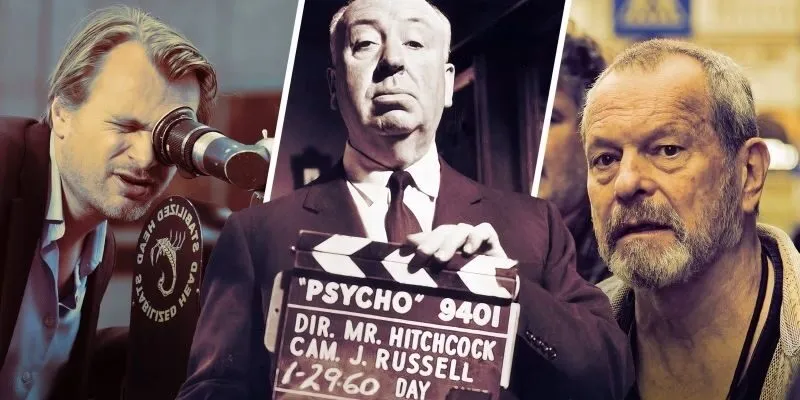
From sweeping period dramas to groundbreaking psychological thrillers, the famous british film directors have shaped the global cinematic landscape in ways that continue to resonate today. Britain has consistently produced visionary storytellers whose work transcends borders, genres, and generations. Understanding who these directors are and what makes their craft so enduring offers a fascinating window into the soul of British filmmaking.
The legacy of famous british film directors across the decades
The history of British cinema is inseparable from the directors who defined it. Famous british film directors have contributed to virtually every major genre, from Hitchcock’s suspense masterpieces to Ken Loach’s unflinching social realism. Their collective influence stretches from the golden age of studio filmmaking in the 1940s all the way through to the streaming era of today.
Alfred Hitchcock – the master of suspense
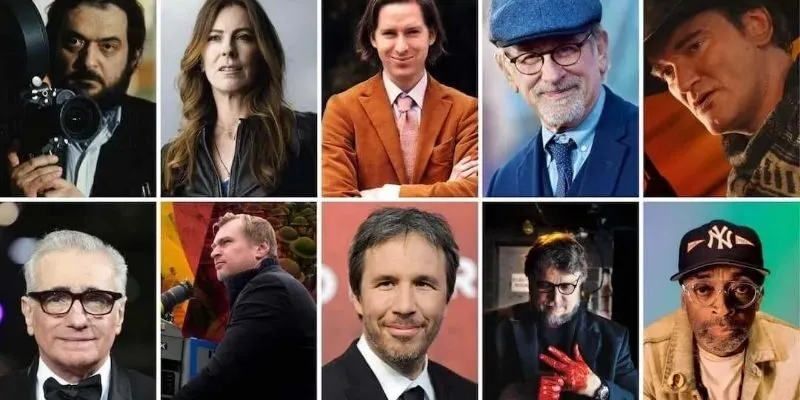
No conversation about famous british film directors is complete without Alfred Hitchcock. Born in London in 1899, Hitchcock pioneered the psychological thriller genre with films such as Psycho, Vertigo, and Rear Window. His technical innovations, including the famous “Hitchcock zoom,” became foundational tools in the cinematographer’s vocabulary. Even decades after his death, his influence on modern horror and suspense filmmaking remains unmistakable.
David Lean – the architect of the epic
David Lean stands among the most celebrated famous british film directors for his extraordinary ability to bring grand narratives to life. His films Lawrence of Arabia and Doctor Zhivago are considered benchmarks of epic cinema, winning multiple Academy Awards and earning near-universal critical acclaim. Lean’s meticulous attention to visual composition and his patience in crafting emotional depth set a standard that few directors have matched. His work is studied in film schools worldwide as a model of cinematic storytelling.
Ridley Scott – from British roots to Hollywood dominance
Ridley Scott, born in South Shields, England, represents a generation of famous british film directors who crossed the Atlantic and conquered Hollywood without losing their distinctive artistic sensibility. From the dystopian grandeur of Blade Runner to the visceral historical drama of Gladiator, Scott has demonstrated an unrivalled range. His work consistently blends visual spectacle with thematic complexity, earning him a permanent place in the canon of world cinema. Scott remains one of the most commercially successful directors in film history.
A closer look: key figures and their defining works
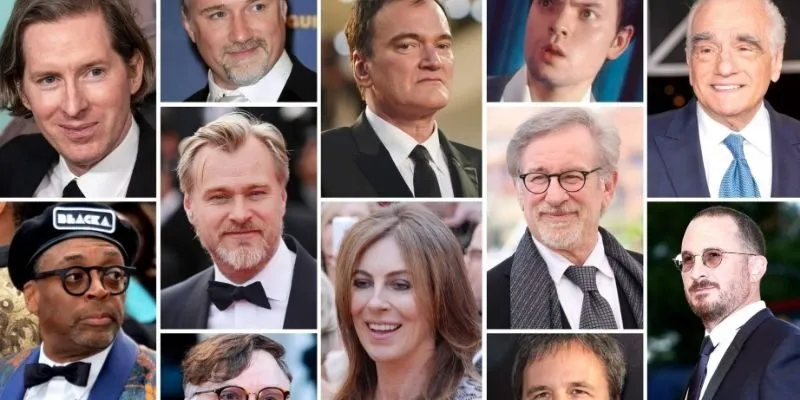
The following table provides a structured overview of some of the most influential famous british film directors, their notable films, and the genres they helped define. This snapshot reflects the remarkable diversity of talent that has emerged from the UK film industry over the past century.
| Director | Born | Notable Films | Genre |
| Alfred Hitchcock | 1899, London | Psycho, Vertigo, Rear Window | Psychological thriller |
| David Lean | 1908, Surrey | Lawrence of Arabia, Brief Encounter | Epic drama |
| Ridley Scott | 1937, South Shields | Blade Runner, Gladiator, Alien | Sci-fi, action, historical |
| Ken Loach | 1936, Nuneaton | Kes, I, Daniel Blake, The Wind That Shakes the Barley | Social realism |
| Christopher Nolan | 1970, London | Inception, The Dark Knight, Oppenheimer | Sci-fi, thriller, drama |
| Mike Leigh | 1943, Salford | Secrets & Lies, Vera Drake, Another Year | Drama, social realism |
| Carol Reed | 1906, London | The Third Man, Odd Man Out | Film noir, thriller |
Contemporary voices redefining what british filmmaking means
The tradition established by earlier generations continues to evolve through a new wave of famous british film directors who are pushing narrative and visual boundaries. Contemporary British directors are engaging with questions of identity, politics, and global culture in ways that feel urgently relevant to today’s audiences. Platforms like state cinema UK have been instrumental in documenting and celebrating this ongoing creative evolution.
Christopher Nolan and the architecture of mind-bending cinema

Christopher Nolan is arguably the most commercially successful of today’s famous british film directors, with a filmography that consistently blends blockbuster ambition with philosophical depth. Films like Inception, Interstellar, and Oppenheimer have grossed billions at the global box office while earning serious critical recognition. Nolan’s commitment to practical effects and in-camera techniques has made him a champion of traditional filmmaking craft in an age dominated by digital production. His influence on a generation of aspiring directors is already profound and still growing.
Steve McQueen – art cinema meets mainstream recognition
Steve McQueen represents a different but equally vital strand of famous british film directors working today. Originally celebrated as a Turner Prize-winning visual artist, McQueen brought his uncompromising aesthetic sensibility to feature filmmaking with devastating effect. 12 Years a Slave won the Academy Award for Best Picture in 2014, while his television series Small Axe was widely praised as one of the defining screen works of the past decade. McQueen’s ability to fuse political urgency with formal beauty marks him as one of the most important filmmakers of his generation.
Andrea Arnold and the power of working-class storytelling
Andrea Arnold is among the most distinctive famous british film directors to emerge in the twenty-first century. Her films, including Red Road, Fish Tank, and American Honey, are characterised by their raw emotional honesty and their deep empathy for marginalised communities. Arnold’s use of handheld camerawork and non-professional actors creates an immersive, almost documentary quality that sets her work apart from mainstream British cinema. She has won the BAFTA for Outstanding British Film and continues to attract international critical acclaim. Readers interested in exploring the full range of British directorial talent can find in-depth coverage through Filmmaking & Industry News.
Beyond these individual figures, the broader ecosystem of British cinema has nurtured famous british film directors across a remarkable range of backgrounds and perspectives. Directors like Mike Leigh, whose improvisational methods have produced some of the most emotionally resonant films in British cinema history, and Carol Reed, whose noir masterpiece The Third Man remains a touchstone of post-war filmmaking, demonstrate how varied and rich this tradition truly is.
Conclusion
The contribution of famous british film directors to world cinema is both vast and enduring. From Hitchcock’s pioneering suspense to Nolan’s mind-bending spectacles and McQueen’s politically charged dramas, British directors have consistently led the way in cinematic innovation. Stay connected for the latest updates, profiles, and analysis of the directors shaping the future of British and global film.