
The landscape of independent film distribution UK has undergone remarkable transformation over the past decade. Filmmakers now have more pathways than ever to bring their stories to audiences, from theatrical releases to digital platforms and beyond. Understanding how this ecosystem works is essential for any filmmaker, producer, or cinephile who wants to navigate the British film industry with confidence and purpose.
How independent film distribution UK actually works
At its core, independent film distribution UK refers to the process by which films made outside the major studio system reach their audiences. Unlike Hollywood-backed productions with built-in marketing budgets and guaranteed screen counts, independent films must compete for limited theatrical slots, streaming deals, and audience attention.
The role of sales agents and distributors
Sales agents act as the critical bridge between filmmakers and distributors. They represent films at major markets such as the BFI London Film Festival, Sheffield DocFest, and international events like Cannes and Berlin, pitching titles to distribution companies that hold UK rights. A strong sales agent relationship can dramatically increase a film’s chances of securing a meaningful release.
UK-based distributors such as Curzon, BFI Distribution, Dogwoof, and Altitude Film Entertainment have built reputations for championing independent voices. Each operates with a distinct programming philosophy, which means filmmakers must research which distributor best aligns with their film’s tone, subject matter, and target audience before approaching them. Submitting to the wrong distributor wastes time and damages relationships.
Theatrical vs. digital release strategies
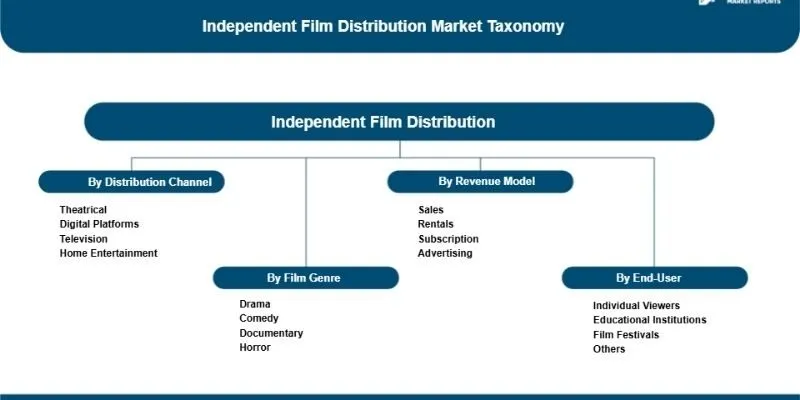
The traditional theatrical window remains prestigious for independent film distribution UK, even as streaming has reshaped audience habits. A cinema release builds critical credibility, generates press coverage, and creates the cultural moment that sustains a film’s long-term reputation. For many indie filmmakers, securing even a limited run at key venues like the BFI Southbank, Picturehouse cinemas, or independent arthouse screens across the country represents a significant milestone.
However, digital-first strategies have become increasingly viable and, in some cases, more financially rewarding. Platforms such as MUBI, BFI Player, and Amazon Prime Video UK offer independent films direct access to engaged, niche audiences. A well-executed hybrid release — theatrical followed by a digital window — often maximises both visibility and revenue for titles navigating independent film distribution UK.
Funding bodies and their influence on distribution

The BFI, Creative England, and Film4 play a significant role in shaping what gets made and, consequently, what gets distributed. Films that receive BFI funding, for instance, often benefit from the organisation’s distribution arm or its network of exhibitor relationships. Understanding how public funding connects to distribution pipelines is a strategic advantage for any filmmaker operating within the state cinema UK ecosystem.
Key platforms and players in the UK indie distribution landscape

The following table provides an overview of major distributors and platforms shaping independent film distribution UK today, highlighting their focus areas and typical release models. This snapshot reflects the current market as of 2024 and is intended to help filmmakers identify the most relevant partners for their projects.
| Distributor / Platform | Type | Focus area | Typical release model |
| BFI Distribution | Non-profit / public | Archive, world cinema, UK indie | Theatrical + BFI Player |
| Curzon | Commercial indie | Arthouse, international cinema | Theatrical + Curzon Home Cinema |
| Dogwoof | Commercial indie | Documentary | Theatrical + streaming |
| Altitude Film Entertainment | Commercial indie | Drama, genre, UK features | Theatrical + VOD |
| MUBI | Streaming platform | Curated world and indie cinema | Streaming + select theatrical |
| BFI Player | Streaming platform | British and world cinema | SVOD + TVOD |
| Amazon Prime Video UK | Major streaming | Broad catalogue including indie | Streaming (SVOD / licensing) |
Challenges and opportunities shaping the future of indie distribution
Despite the growth of digital platforms, independent film distribution UK faces persistent structural challenges. The concentration of marketing budgets among major studio releases squeezes independent titles out of mainstream multiplex screens, while algorithm-driven streaming platforms can bury smaller films beneath high-profile originals. Discoverability remains one of the central problems for any film attempting to find its audience without significant financial backing.
The impact of self-distribution models

An increasing number of UK filmmakers are bypassing traditional distributors entirely and managing their own releases. Self-distribution through platforms like Vimeo On Demand, Eventive, or direct-to-audience digital sales gives filmmakers complete creative and commercial control. While this model demands significant time and marketing expertise, it has proven effective for films with dedicated communities or niche subject matter where targeted outreach can substitute for mass advertising.
Independent film distribution UK through self-managed channels also allows filmmakers to retain a larger share of revenue. Rather than accepting unfavourable minimum guarantee deals from distributors, some producers choose to build their own audience directly, using social media, film festival relationships, and community screenings to generate momentum organically.
Festival strategy as a distribution tool
Film festivals remain one of the most powerful tools within independent film distribution UK. A premiere at a respected festival — whether the BFI London Film Festival, Edinburgh International Film Festival, or Raindance — generates press attention, attracts distributor interest, and validates a film’s quality to potential buyers. Strategic festival routing, starting with the most prestigious applicable event and working down through regional and specialist festivals, can sustain a film’s profile for twelve months or more.
Festivals also provide direct audience engagement that no streaming algorithm can replicate. The collective experience of watching a film in a room full of engaged viewers creates word-of-mouth energy that translates into long-term cultural impact. For filmmakers serious about independent film distribution UK, festival strategy is not a luxury — it is a core component of the distribution plan. Keeping up with Filmmaking & Industry News ensures you stay informed about submission deadlines, market trends, and emerging opportunities.
Diversity and representation in distribution decisions
One of the most significant ongoing conversations within independent film distribution UK concerns whose stories get distributed and why. Historically, distribution gatekeepers have favoured certain types of narratives, directors, and cultural perspectives, often reflecting the demographics of the industry itself rather than the full breadth of British society. Initiatives from the BFI Diversity Standards and organisations like the Film and TV Charity are working to address these imbalances at both production and distribution levels.
Distributors who actively champion diverse voices are not only fulfilling a cultural responsibility — they are also responding to genuine audience demand. Research consistently shows that diverse storytelling attracts broader viewership, and the commercial success of films from underrepresented communities has begun to shift long-held assumptions about what audiences will watch and support within independent film distribution UK.
Conclusion
Independent film distribution UK is a dynamic, evolving field that rewards filmmakers who invest time in understanding its structures, relationships, and emerging opportunities. From traditional theatrical routes to self-distribution and digital platforms, the pathways to audiences are broader than ever — but so is the competition. Stay ahead by following the latest developments, industry shifts, and distribution news to ensure your film reaches the audience it deserves.