
The famous movie props history is a rich tapestry woven through decades of cinematic storytelling, where ordinary objects became extraordinary cultural icons. From Indiana Jones’s battered fedora to the glowing briefcase in Pulp Fiction, movie props carry the weight of narrative, emotion, and artistry in ways that transcend the screen. Understanding how these objects were created, used, and preserved reveals an entirely new dimension of film appreciation. In 2026, as cinema continues to evolve, the legacy of iconic props remains a cornerstone of film culture, connecting audiences to unforgettable moments in movie history.
The Origins Of Famous Movie Props History And How It All Began
The story of movie props stretches back to the earliest days of silent cinema, when filmmakers first recognized that physical objects could communicate emotion and meaning without a single spoken word. Early prop masters were resourceful craftspeople who sourced, built, and repurposed everyday items to serve the visual language of storytelling. As Hollywood grew into a global industry, the role of the prop department expanded dramatically, giving rise to dedicated artisans whose work would eventually become the stuff of legend.
Silent Era Foundations And Early Prop Craftsmanship
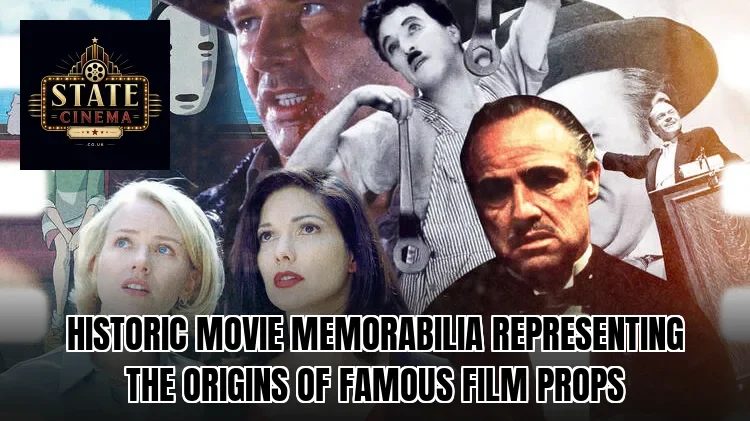
During the silent film era of the 1910s and 1920s, props were often improvised from whatever was available on studio lots. Charlie Chaplin’s cane and bowler hat, for instance, became so synonymous with his Tramp character that they transcended mere costume accessories to become globally recognized symbols. Studios like MGM and Paramount began establishing dedicated prop warehouses during this period, cataloguing thousands of items for repeated use across productions. This systematic approach to prop management laid the groundwork for what would eventually become the famous movie props history we celebrate today.
The Golden Age Of Hollywood And The Rise Of Iconic Objects
The 1930s through the 1950s represented a golden era for prop design, when studio craftsmanship reached extraordinary heights. The ruby slippers from The Wizard of Oz (1939) are perhaps the most celebrated example, hand-sewn with thousands of sequins and representing the magical heart of one of cinema’s greatest achievements. Citizen Kane’s Rosebud sled, Rick’s piano from Casablanca, and the Maltese Falcon statuette all emerged from this period as objects imbued with profound narrative significance. These items demonstrated how famous movie props history is inseparable from the emotional architecture of great filmmaking.
Post-War Innovation And The Expansion Of Prop Technology
Following World War II, advances in materials science and manufacturing technology opened new possibilities for prop makers. Lightweight alloys, early plastics, and improved casting techniques allowed for more elaborate and convincing props than ever before. The 1950s science fiction boom demanded futuristic weapons, spacecraft interiors, and alien artifacts that pushed craftspeople to invent entirely new fabrication methods. This period of innovation established the technical vocabulary that continues to inform famous movie props history in modern productions, bridging handcraft tradition with emerging industrial capabilities.
Legendary Props That Defined Famous Movie Props History Forever
Certain objects have achieved a status that far exceeds their function within any single film, becoming permanent fixtures in the broader cultural conversation about cinema. These legendary artifacts represent the pinnacle of prop artistry and continue to captivate collectors, museums, and film enthusiasts worldwide. Examining them individually reveals both the craft behind their creation and the storytelling genius that elevated them to iconic status.

The Lightsaber: Engineering A Galaxy Far, Far Away
Few props in famous movie props history have captured the imagination quite like the lightsaber from the Star Wars franchise. The original hero props used in the 1977 film were constructed from vintage camera flash handles, Graflex and Heiland components, combined with hand-turned aluminum hilts. Each lightsaber was painstakingly crafted to feel substantial and believable in the actors’ hands, with the glowing blade added through optical effects in post-production. Today, original Star Wars lightsaber hilts regularly achieve auction prices exceeding $500,000, testament to their enduring cultural power and the extraordinary legacy they represent in the famous movie props history timeline.
The DeLorean Time Machine: Science Fiction Made Tangible
The modified DeLorean DMC-12 from Back to the Future (1985) stands as one of the most beloved vehicles in cinema history. The production team, led by prop master Bob Gale and designer Ron Cobb, transformed the distinctive stainless steel sports car into a time machine bristling with custom-built electronic components, flux capacitor housing, and hundreds of hand-fabricated details. Three hero vehicles were constructed for the trilogy, with each subsequent film requiring additional modifications. The surviving DeLorean time machines now reside in museums and private collections, embodying the spirit of famous movie props history by preserving artifacts of creative ingenuity for future generations.
The Ark Of The Covenant: Raiders Of The Lost Prop
Steven Spielberg’s Raiders of the Lost Ark (1981) required a prop that would feel genuinely ancient, powerful, and awe-inspiring. The Ark of the Covenant was constructed by prop maker Norman Reynolds and his team using a combination of wood, gold-painted materials, and intricate decorative elements inspired by biblical descriptions and archaeological references. Multiple versions were built to accommodate different filming requirements, including a lightweight version for carrying scenes and a reinforced version for the famous face-melting finale sequence. This meticulous approach to authenticity exemplifies the dedication that defines famous movie props history at its finest.
How Famous Movie Props History Shapes Auctions And Cultural Preservation
The commercial and cultural afterlife of movie props has grown into a significant industry in its own right, with specialist auction houses, dedicated museums, and passionate private collectors competing to acquire and preserve these tangible pieces of cinematic heritage. Understanding this ecosystem provides crucial context for appreciating why famous movie props history matters beyond mere nostalgia, connecting film art to broader questions of cultural memory and preservation.

Record-Breaking Auctions And The Economics Of Prop Collecting
The market for iconic movie props has expanded dramatically in recent decades, with auction results consistently breaking records and attracting mainstream media attention. Prominent auction houses including Propstore, Heritage Auctions, and Bonhams have established dedicated entertainment memorabilia divisions to meet growing collector demand. Notable sales include Audrey Hepburn’s little black dress from Breakfast at Tiffany’s, which sold for $923,187, and James Bond’s Aston Martin DB5 from Goldfinger, which achieved $6.4 million at auction. These figures underscore the extraordinary monetary value now attached to objects whose significance in famous movie props history has been validated by decades of cultural reverence.
| Prop | Film | Year Sold | Sale Price |
|---|---|---|---|
| Aston Martin DB5 | Goldfinger (1964) | 2019 | $6,385,000 |
| Ruby Slippers | The Wizard of Oz (1939) | 2023 | $28,000,000 |
| Lightsaber Hilt | Star Wars (1977) | 2022 | $843,000 |
| Rosebud Sled | Citizen Kane (1941) | 1982 | $60,500 |
| Captain America Shield | The Avengers (2012) | 2021 | $262,900 |
Museums And Institutions Dedicated To Prop Preservation
Beyond the auction market, several world-class institutions have committed to preserving and displaying significant props as genuine cultural artifacts. The Academy Museum of Motion Pictures in Los Angeles houses an extraordinary collection spanning over a century of filmmaking, while the Warner Bros. Studio Tour in London showcases original Harry Potter props in meticulous detail. The Smithsonian Institution has also recognized the cultural importance of screen-used objects, acquiring items from productions as diverse as Star Trek and American Graffiti. These preservation efforts ensure that famous movie props history remains accessible to future generations who deserve to encounter these objects firsthand.
Famous Movie Props History In The Digital Age And NFT Era
The emergence of digital collecting and NFT technology in the early 2020s introduced new questions about authenticity, ownership, and value within the prop collecting community. While some studios experimented with digital certificates of authenticity and virtual prop ownership, the physical objects themselves retained their primacy among serious collectors and institutions. In 2026, the consensus within the industry holds that no digital representation can fully replicate the cultural and emotional resonance of holding an actual screen-used artifact. The tangible nature of physical props remains central to what makes famous movie props history so compelling, grounding cinematic memory in objects that can be seen, touched, and genuinely experienced.
Conclusion
Exploring the famous movie props history reveals a profound truth about cinema: the objects that populate our favorite films are not merely decorative accessories but active participants in the art of storytelling. From the handcrafted ingenuity of Hollywood’s golden age to the record-breaking auction results of the modern era, movie props represent a unique intersection of craft, commerce, and cultural memory. Whether you are a dedicated collector, a casual film enthusiast, or simply someone who has ever felt moved by a scene in which an ordinary object carries extraordinary meaning, this history belongs to all of us. To deepen your journey through cinematic heritage, visit State Cinema UK for expertly curated film content and resources.
Xem thêm: box office collection tracker