
The ongoing debate around practical effects vs cgi has shaped the way audiences and filmmakers think about cinematic storytelling for decades. From the gritty realism of handcrafted props to the limitless possibilities of digital wizardry, both approaches carry distinct advantages that continue to influence blockbuster productions and independent films alike. As technology accelerates into 2026, understanding the nuanced differences between these two techniques has never been more relevant for film enthusiasts, critics, and industry professionals who care deeply about the art of visual storytelling.
Understanding The Core Differences In Practical Effects Vs CGI
Before diving into the strengths and limitations of each method, it helps to establish a clear foundation. The conversation around practical effects vs cgi is not simply about old versus new — it is fundamentally about how filmmakers choose to construct reality on screen. Practical effects rely on physical, tangible elements built and executed on set, while CGI (computer-generated imagery) creates visuals through digital rendering software in post-production. Both serve the same ultimate goal: to immerse the audience in a world that feels believable and emotionally resonant.
What Are Practical Effects In Modern Cinema
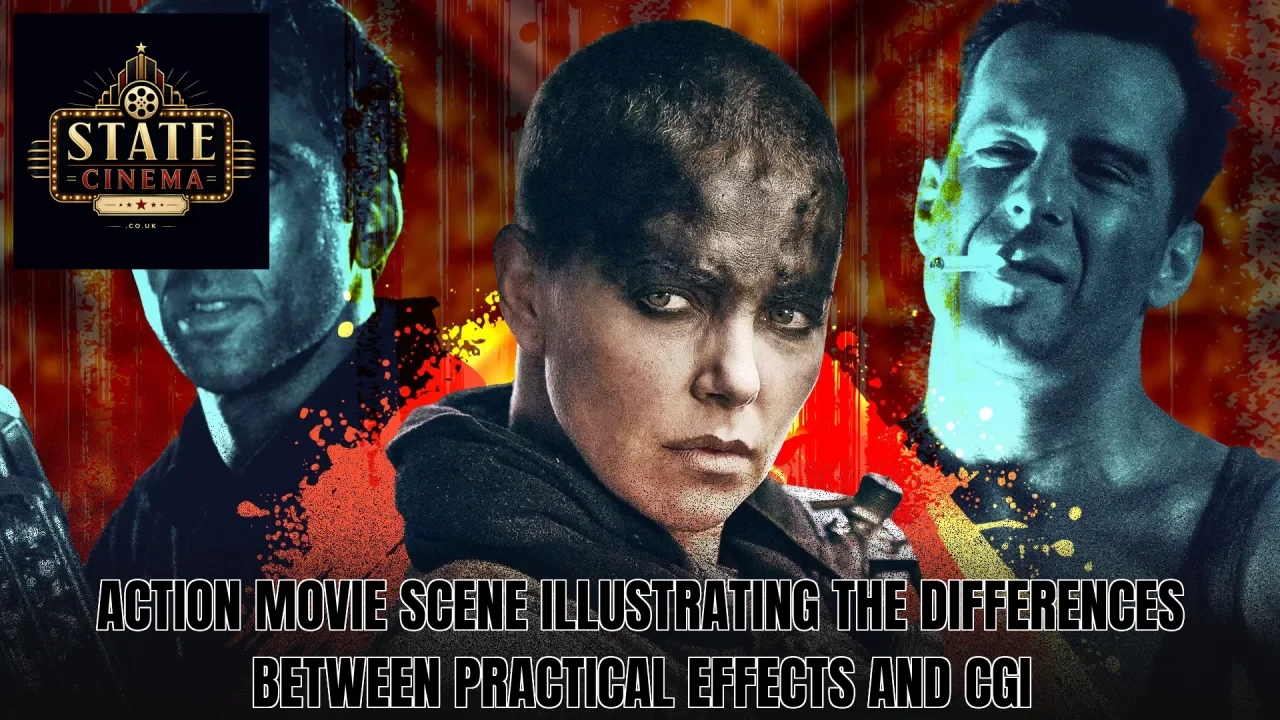
Practical effects encompass a wide range of on-set techniques that produce real, in-camera results. These include animatronics, prosthetic makeup, miniature sets, pyrotechnics, hydraulic rigs, and physical stunt choreography. The defining characteristic is that the effect exists in the physical world during filming, which means actors and camera operators can directly interact with it. Productions like Mad Max: Fury Road and the original Star Wars trilogy are celebrated precisely because their physical craftsmanship gave performances a grounded, tactile authenticity that digital tools often struggle to replicate. In the broader discussion of practical effects vs cgi, the physical dimension of these techniques remains their greatest asset.
How CGI Transformed Visual Storytelling
Computer-generated imagery revolutionised filmmaking when it emerged as a mainstream tool in the early 1990s, with milestones like Jurassic Park and Terminator 2 demonstrating its transformative potential. CGI allows directors to visualise worlds, creatures, and scenarios that would be physically impossible or prohibitively expensive to construct. Digital compositing, motion capture, and virtual production environments like LED volume stages have expanded what is cinematically possible. In the context of practical effects vs cgi, digital tools have democratised filmmaking by enabling smaller studios to produce visually ambitious content without enormous physical infrastructure costs.
Practical Effects Vs CGI: A Historical Timeline
The history of this debate tracks closely with the evolution of cinema itself. Early filmmakers like Georges Méliès relied entirely on in-camera tricks and physical stagecraft. The mid-twentieth century saw elaborate practical rigs dominate Hollywood. By the mid-1990s, CGI began its rapid ascent, and by the 2010s, digital effects dominated the industry. However, a notable revival of practical techniques emerged in the 2020s, driven by audience fatigue with over-polished digital visuals. By 2026, the industry increasingly recognises that practical effects vs cgi is not a binary choice but a spectrum of creative tools to be used in thoughtful combination.
Practical Effects Vs CGI: Strengths, Weaknesses, And Industry Preferences
Understanding which technique serves a production best requires examining both methods through multiple lenses — cost, time, realism, and creative flexibility. The practical effects vs cgi conversation becomes most productive when framed around specific production goals rather than blanket preferences. Industry veterans consistently note that the most memorable films of any era have used both approaches strategically rather than exclusively committing to one.
The Realism Advantage Of Physical Filmmaking Techniques
One of the most frequently cited advantages of practical filmmaking is the way physical elements interact with natural light, camera optics, and the environment. When an actor reaches out and touches a real prosthetic creature, the micro-expressions and physical reactions are genuine rather than performed against a green screen. This authenticity registers subconsciously with audiences, contributing to emotional engagement that even the most sophisticated CGI can sometimes miss. Studies in audience psychology have found that viewers detect subtle uncanny valley effects in digital characters even when they cannot articulate why. In the debate of practical effects vs cgi, this sensory authenticity remains a powerful argument for physical craftsmanship.
Why CGI Offers Unmatched Creative Freedom
Despite the advantages of physical techniques, CGI provides creative latitude that no practical method can match. Directors can reshape environments, adjust creature designs, and iterate on visual concepts long after principal photography has wrapped. This flexibility is particularly valuable in franchise filmmaking, where consistency across multiple productions demands precise digital asset management. Furthermore, CGI enables safety improvements on set by replacing dangerous stunts with digital doubles and removing actors from genuinely hazardous scenarios. When evaluating practical effects vs cgi, the safety and flexibility arguments firmly favour digital production pipelines in large-scale commercial filmmaking.
Cost And Production Efficiency Compared
Budget considerations play a central role in how productions approach the practical effects vs cgi decision. The table below provides a comparative overview of key factors across both methods:
| Factor | Practical Effects | CGI |
|---|---|---|
| Initial Cost | High (materials, labour, construction) | Variable (software, rendering, talent) |
| Revision Flexibility | Low (physical changes are costly) | High (editable in post-production) |
| On-Set Realism | Very High | Moderate (green screen limitations) |
| Longevity / Aging | Ages well (timeless craftsmanship) | Can look dated as technology advances |
| Safety Risk | Higher (pyrotechnics, stunts) | Lower (digital replacement) |
| Production Speed | Slower (build and test cycles) | Faster for complex environments |
How The Best Films In 2026 Balance Practical Effects Vs CGI
The most critically acclaimed productions entering 2026 have moved decisively away from the all-CGI approach that dominated the mid-2010s. Directors and visual effects supervisors are increasingly vocal about using physical techniques as the primary building block, with digital enhancements applied selectively to extend or refine what was captured on set. This hybrid philosophy represents the current gold standard in professional filmmaking, and it directly reflects the lessons learned from the long-running practical effects vs cgi debate.
Hybrid Production Pipelines In Contemporary Blockbusters
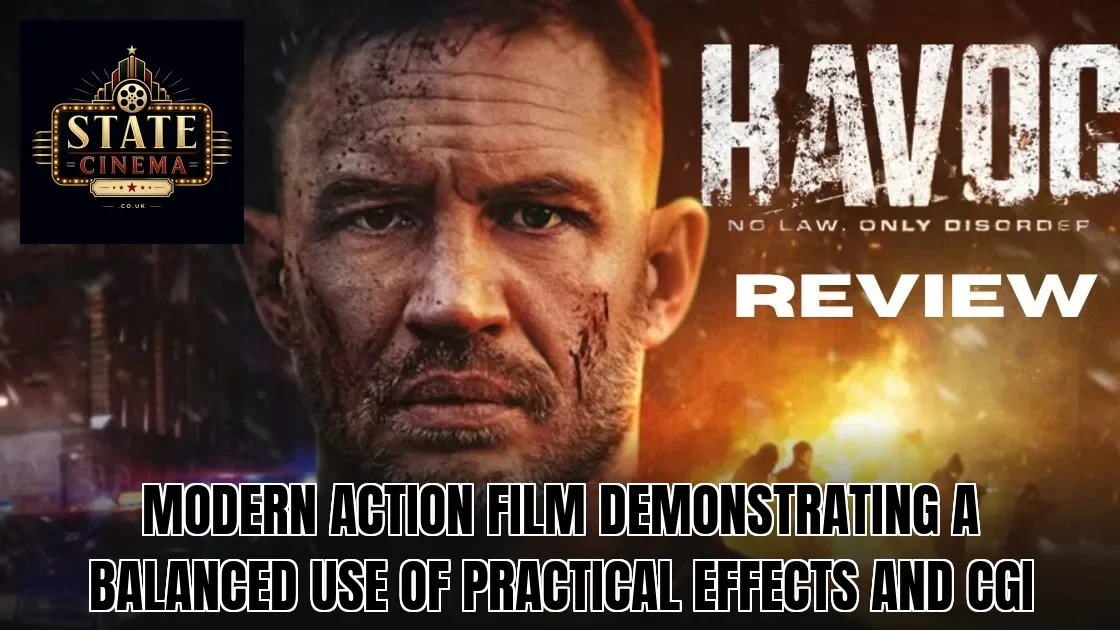
Modern blockbusters rarely commit entirely to one approach. Instead, they deploy hybrid pipelines where practical builds inform digital extensions. A creature might begin as a fully articulated animatronic puppet on set, with CGI used to enhance facial expressions or remove visible mechanical components in post-production. LED volume stages, popularised by productions like The Mandalorian, represent a technological middle ground where digital environments are projected in real-time around physical actors and sets. This approach resolves many of the green screen limitations that critics of CGI-heavy filmmaking have long cited in the practical effects vs cgi discourse.
Audience Reception And The Nostalgia Factor
There is a measurable nostalgia effect at play in how modern audiences respond to practical techniques. Films that prominently feature handcrafted effects often generate significant word-of-mouth around their production processes, with behind-the-scenes content becoming a marketing asset in its own right. The resurgence of interest in analogue craftsmanship — from miniature photography to in-camera optical effects — reflects a broader cultural appetite for authenticity. In 2026, this nostalgia factor is not merely sentimental; it represents a commercially viable differentiator in a crowded streaming landscape where audiences are actively seeking experiences that feel genuinely handmade.
What Emerging Filmmakers Should Know About Practical Effects Vs CGI
For aspiring directors and cinematographers, understanding the practical implications of each approach is essential career knowledge. Choosing between physical techniques and digital tools is rarely a purely aesthetic decision — it involves budget management, scheduling constraints, crew expertise, and distribution expectations. Film schools and industry mentors in 2026 consistently advise students to develop fluency in both disciplines rather than specialising exclusively in one. The ability to evaluate a script and determine where practical effects vs cgi will best serve the story is a core competency that separates capable technicians from genuinely creative filmmakers.
- Study production design fundamentals alongside digital compositing workflows
- Analyse behind-the-scenes documentaries from productions that excelled in hybrid approaches
- Build practical skills in miniature construction, prosthetics, and in-camera optical techniques
- Develop proficiency in industry-standard VFX software including Nuke and Houdini
- Collaborate with experienced practical effects supervisors during early career productions
Conclusion
The debate around practical effects vs cgi will never produce a single definitive winner, nor should it. What 2026 has made abundantly clear is that the most compelling cinema emerges when filmmakers treat both disciplines as complementary tools rather than competing philosophies. Physical craftsmanship brings irreplaceable authenticity and emotional grounding, while digital technology offers the creative freedom to realise visions that would otherwise remain impossible. For film lovers who want to explore this conversation further and experience cinema at its most thoughtfully crafted, State Cinema UK is an exceptional destination that celebrates the full spectrum of filmmaking artistry.
Xem thêm: famous movie props history