
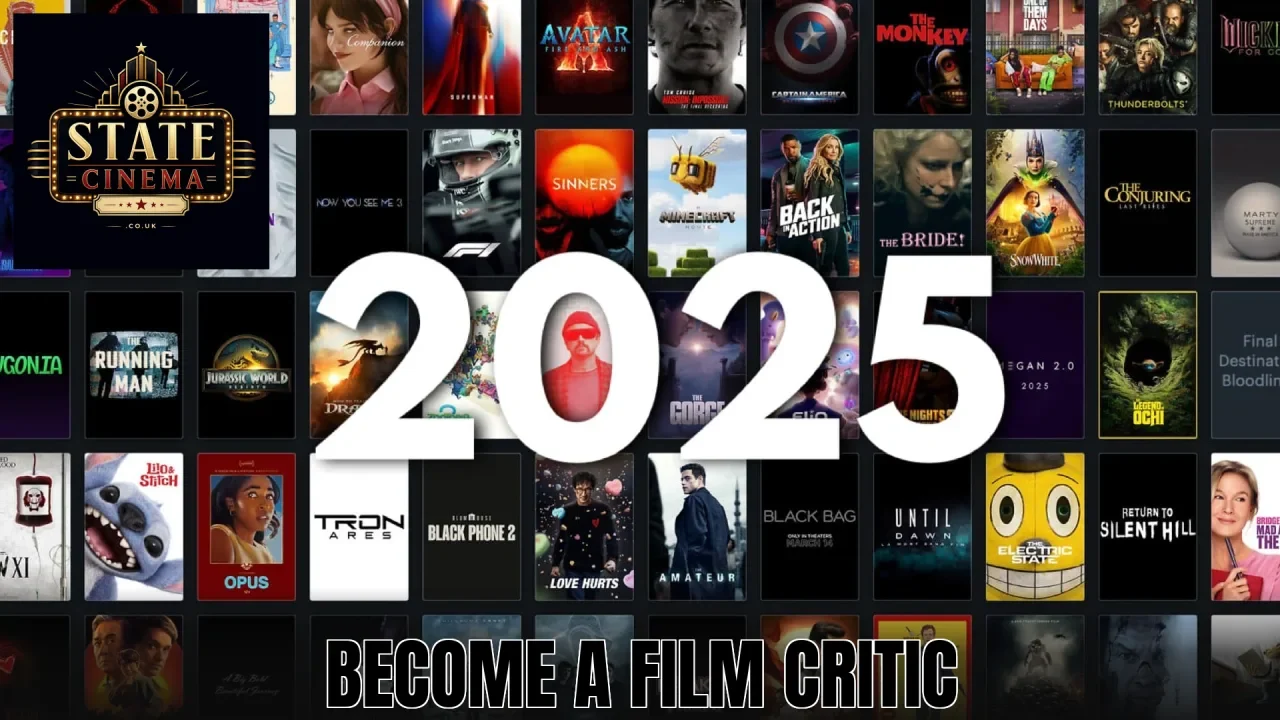
If you have a deep passion for cinema and a talent for articulating your thoughts on screen storytelling, learning how to become a film critic could open the door to one of the most rewarding careers in the arts and media industry. Film criticism is far more than simply watching movies and sharing opinions — it demands analytical thinking, cultural awareness, strong writing skills, and a genuine understanding of cinematic language. In 2026, the landscape for film critics has expanded dramatically, offering more pathways than ever before for aspiring voices to break through and build a credible presence in this competitive field.
How To Become A Film Critic: Building The Right Foundation
Every successful film critic starts by developing a solid intellectual and creative foundation. Understanding the craft of cinema — from directing and cinematography to screenwriting and editing — gives critics the vocabulary and context needed to write with authority. Before diving into publishing reviews, it is essential to invest time in studying film history, theory, and the work of established critics such as Roger Ebert, Pauline Kael, and Mark Kermode. This foundation shapes your critical voice and ensures your analysis goes beyond surface-level impressions.

Develop Your Cinematic Knowledge And Critical Eye
To become a film critic with genuine credibility, you must watch films widely and intentionally. This means exploring different genres, national cinemas, and historical periods — from classic Hollywood noir to contemporary South Korean thrillers. Reading film theory texts, academic journals, and the work of respected critics helps you understand how meaning is constructed on screen. Watching a film multiple times, paying attention to mise-en-scène, sound design, and narrative structure, trains your eye to notice what others miss. The more deeply you engage with cinema as an art form, the more nuanced and authoritative your criticism will become over time.
Study Film History, Theory, And Genre Conventions
A strong grasp of film history is non-negotiable for anyone serious about how to become a film critic. Understanding movements such as Italian Neorealism, the French New Wave, New Hollywood, and the rise of independent cinema provides essential context for evaluating contemporary films. Genre conventions matter too — knowing the rules of a horror film or a romantic comedy allows you to assess how well a director works within or subverts those expectations. Formal education in film studies, media arts, or journalism can accelerate this process, though self-directed learning through curated film lists and online courses is equally valid in today’s media environment.
Sharpen Your Writing Skills Across Multiple Formats
Film criticism is ultimately a writing discipline. Whether you are crafting a 300-word capsule review or a 2,000-word analytical essay, clarity, precision, and voice are paramount. Practice writing regularly — review films immediately after watching them, experiment with different tones and structures, and seek feedback from editors or peers. Reading widely beyond film criticism, including literary journalism, cultural essays, and long-form reportage, enriches your prose style. Strong writing is what separates a casual moviegoer with opinions from a respected critic whose words carry weight in the film community and influence audience decisions.
How To Become A Film Critic: Publishing And Building Your Platform
Once you have developed your knowledge base and writing skills, the next critical step in understanding how to become a film critic is getting your work published and building a visible platform. In 2026, digital media offers more opportunities than at any previous point in history, from personal blogs and YouTube channels to podcasting and social media criticism. However, building an audience requires consistency, strategic thinking, and a clear editorial identity that distinguishes your voice from thousands of others operating in the same space.

Launch A Film Review Blog Or Digital Publication
Starting your own blog or website remains one of the most effective ways to establish yourself as a film critic. A dedicated platform gives you complete editorial control, a permanent archive of your work, and a professional home base to direct editors and potential collaborators toward. Consistency is key — publishing regularly, even if that means two or three reviews per week, builds readership and demonstrates commitment. Optimising your content for search engines by covering new releases, retrospectives, and themed essays helps attract organic traffic. Over time, a well-maintained film review site becomes a powerful portfolio that opens doors to freelance opportunities with established publications.
Contribute To Established Film Publications And Outlets
Pitching to established film magazines, online outlets, and newspapers is a vital step in professionalising your career as a film critic. Publications such as Sight & Sound, Little White Lies, The Guardian Film, and Screen International all accept contributions from emerging critics. Research each outlet’s tone, style guide, and submission requirements before pitching. Start with smaller publications to build bylines and credibility, then work upward. A well-crafted pitch that demonstrates your unique angle on a film or filmmaker significantly increases your chances of acceptance. Each published piece adds to your professional reputation and expands your network within the film criticism community.
Leverage Social Media And Video Platforms For Wider Reach
In 2026, social media platforms including X (formerly Twitter), Instagram, Letterboxd, and TikTok play a significant role in how film critics build audiences and establish their personal brand. Letterboxd in particular has become an essential platform for cinephiles, offering a dedicated community where thoughtful micro-reviews can gain substantial traction. Video essays on YouTube represent another powerful format — channels dedicated to film analysis regularly attract millions of views, demonstrating strong audience appetite for in-depth cinematic commentary. Engaging authentically with the film community online, joining conversations around major releases and festivals, accelerates your visibility and helps you connect with editors, filmmakers, and fellow critics.
Navigating The Film Industry As A Professional Critic In 2026
Understanding the professional landscape is just as important as developing your craft when considering how to become a film critic. The economics of film criticism have shifted considerably, with many traditional print outlets reducing their critical coverage. However, specialist digital platforms, streaming services commissioning original editorial content, and the growth of independent film culture have created new opportunities. Building sustainable income as a film critic often requires diversifying across reviewing, interviewing, festival coverage, podcasting, and even consulting work for production companies or distributors.

Attend Film Festivals And Industry Screenings Regularly
Film festivals are the heartbeat of the critical community. Events such as Cannes, Venice, Toronto, Sundance, and the BFI London Film Festival provide access to new films before wide release, opportunities to interview directors and actors, and invaluable networking with other critics, programmers, and industry professionals. Accreditation as a film critic for major festivals typically requires proof of published work and affiliation with a recognised publication. Starting with regional or specialist festivals is a practical entry point. Regular festival attendance signals serious professional commitment and keeps your critical perspective fresh by exposing you to the full breadth of global cinema throughout the year.
Join Professional Critics Associations And Networks
Membership of professional organisations provides legitimacy, community, and practical resources for anyone pursuing how to become a film critic at a serious level. In the UK, the Critics’ Circle Film Section and the British Association of Film, Television and Interactive Arts (BAFTA) offer pathways for emerging critics to connect with the industry. Internationally, the International Federation of Film Critics (FIPRESCI) represents critics at major festivals and awards its own prizes to outstanding films. These networks provide mentorship opportunities, access to press screenings, and a professional community that supports career development. Being part of a recognised body also lends credibility when pitching to publications or applying for festival accreditation.
How To Become A Film Critic: Monetising Your Expertise Sustainably
Building a financially sustainable career requires treating film criticism as a genuine profession with multiple revenue streams. Freelance reviewing, commissioned essays, podcast sponsorship, Patreon subscriptions, teaching film appreciation courses, and consulting for film distributors or cultural organisations are all viable income sources in 2026. Many successful film critics also work as programmers for independent cinemas or arts organisations, combining their critical expertise with practical curatorial work. Diversification is not a compromise — it is a strategic approach to building a long-term career in a field where single revenue streams are rarely sufficient to sustain a professional practice independently.
| Career Stage | Key Actions | Platforms / Resources | Expected Outcome |
|---|---|---|---|
| Beginner | Study film history, start a blog, write daily reviews | Letterboxd, personal website, film theory books | Develop critical voice and writing discipline |
| Intermediate | Pitch to small publications, attend local festivals, build social presence | Little White Lies, regional film festivals, YouTube | Gain bylines, grow audience, earn first paid commissions |
| Advanced | Contribute to major outlets, seek festival accreditation, join critics associations | Sight & Sound, BFI London Film Festival, Critics’ Circle | Establish professional reputation and sustainable income |
| Professional | Diversify income streams, mentor emerging critics, consult for industry | FIPRESCI, Patreon, independent cinema programming | Long-term career sustainability and industry influence |
Conclusion
Mastering how to become a film critic in 2026 is a journey that demands intellectual curiosity, disciplined writing, strategic platform building, and genuine love for the art of cinema. From developing your analytical foundation and publishing your first reviews to attending international festivals and building a sustainable professional practice, every step forward brings you closer to a career where your voice contributes meaningfully to film culture. If you are ready to deepen your engagement with cinema and connect with a community that shares your passion, explore the resources and events available at State Cinema UK — a dedicated home for film lovers and emerging critics alike.
Xem thêm: independent film distribution UK Explained Clearly