

Every year, international film festivals bring together filmmakers, critics, distributors, and passionate audiences from every corner of the globe. These events are far more than red carpets and award ceremonies — they are living, breathing ecosystems where cinema is debated, celebrated, and shaped. For anyone serious about film culture, understanding how these festivals operate is essential to appreciating the art form itself.
Why international film festivals matter more than ever
In an era dominated by streaming platforms and algorithmic recommendation engines, international film festivals remain one of the few spaces where a film can be judged purely on its artistic merit. The audience at a festival is self-selected — they come with curiosity, not convenience. That distinction changes everything about how films are received and discussed.

For independent filmmakers in particular, a slot at a prestigious international film festival can transform a career overnight. A debut feature screened at Cannes, Sundance, or Berlin carries a weight that no streaming premiere can replicate. The critical conversation that surrounds a festival screening often determines whether a film reaches wider distribution or remains a celebrated niche discovery.
Beyond the films themselves, these events generate an extraordinary convergence of industry professionals. Sales agents, acquisition executives, co-production partners, and grant bodies all attend major international film festivals with specific goals. The deal-making that happens in the corridors and meeting rooms is as significant as anything that takes place on screen.
The role of competition and jury selection
Every major international film festival structures itself around a competition programme, typically overseen by a rotating jury of filmmakers, actors, and critics. The jury’s task is not simply to rank films but to articulate a set of values about what cinema can and should do. Their deliberations often reflect broader cultural and political currents, making the awards themselves a form of cultural commentary.
Jury composition matters enormously. A panel drawn predominantly from European art cinema traditions will respond differently to the same film than one composed of genre specialists or documentary practitioners. This is one reason why the same film can win at one international film festival and be entirely overlooked at another — the evaluation criteria are never truly neutral.
Sidebar programmes and their growing influence
Parallel to the main competition, most international film festivals run sidebar programmes that often prove more adventurous in their selections. At Berlin, the Forum and Panorama sections have historically championed political and experimental work that the main competition might not accommodate. At Cannes, Un Certain Regard and the Directors’ Fortnight have launched some of the most important careers in contemporary cinema.
These sidebar programmes serve a curatorial function that is distinct from prize-giving. They signal to the industry and to audiences which filmmakers and movements are worth watching. For emerging directors, an invitation to a prestigious sidebar can be as meaningful as a competition slot.
How UK cinema engages with the global festival circuit
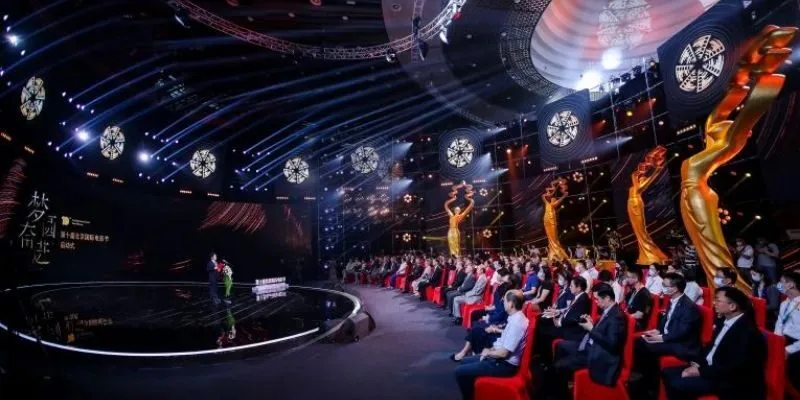
British cinema has a long and distinguished relationship with the international film festival circuit. From Ken Loach’s Palme d’Or wins at Cannes to the consistent presence of UK documentaries at Sundance and Hot Docs, British filmmakers have used festivals as both a launchpad and a validation mechanism. Institutions like the BFI play a significant role in supporting UK films at international film festivals, providing funding for travel, promotion, and market participation. The state cinema UK tradition — rooted in public funding, social realism, and a commitment to diverse voices — aligns naturally with the values that many festival programmers seek out.
A comparative look at the world’s leading international film festivals

The landscape of international film festivals is vast and varied, ranging from century-old institutions to dynamic newer events that have rapidly gained prestige. The table below provides a structured overview of the most significant festivals on the global circuit, highlighting their distinct characteristics and what they offer to filmmakers and audiences alike.
| Festival | Location | Founded | Key award | Primary focus |
| Cannes Film Festival | Cannes, France | 1946 | Palme d’Or | Art cinema, world premieres |
| Venice Film Festival | Venice, Italy | 1932 | Golden Lion | Prestige drama, Oscar contenders |
| Berlin International Film Festival | Berlin, Germany | 1951 | Golden Bear | Political cinema, diversity |
| Sundance Film Festival | Park City, USA | 1978 | Grand Jury Prize | Independent US and world cinema |
| Toronto International Film Festival | Toronto, Canada | 1976 | People’s Choice Award | Audience-focused, industry market |
| BFI London Film Festival | London, UK | 1957 | BFI London Film Festival Award | UK and international premieres |
| San Sebastián International Film Festival | San Sebastián, Spain | 1953 | Golden Shell | European and Latin American cinema |
How to follow and engage with the international film festival circuit
For film enthusiasts and industry professionals alike, staying connected to the international film festival world requires more than simply watching award announcements. The most informed followers track programming decisions, jury appointments, and submission deadlines as part of an ongoing practice of cinematic literacy. Understanding why a particular film was selected — not just that it was — reveals far more about the cultural moment.
Building a festival-watching habit
Developing a meaningful relationship with international film festivals starts with choosing a handful of events to follow closely rather than attempting to monitor every festival simultaneously. Depth of engagement produces better understanding than breadth. Reading programmer notes, watching post-screening Q&As, and following critical responses in real time all contribute to a richer appreciation of what each venue stands for.
Utilizing Digital Platforms and Virtual Passes
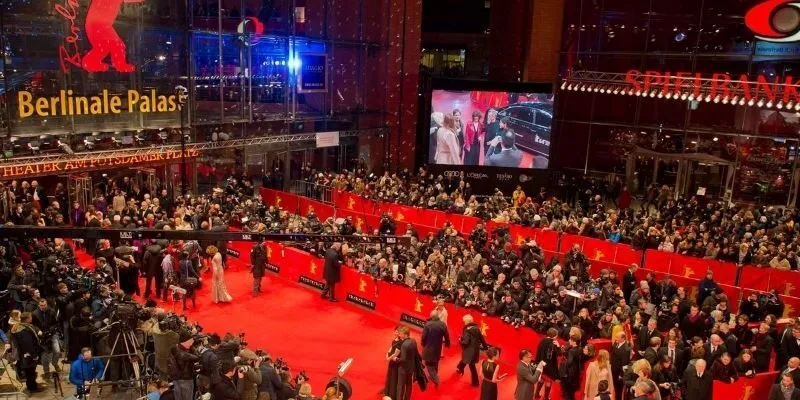
The digital shift has made the international film festival circuit far more accessible to global audiences. Many major festivals now offer hybrid formats, providing virtual screening passes, live-streamed masterclasses, and digital access to industry panels. Platforms like Festival Scope or Shift72 often partner with events to host online screenings, allowing you to watch groundbreaking world cinema from your own home.
Engaging with these digital resources helps you spot emerging cinematic trends months before they hit mainstream theatres. It transforms your viewing from passive consumption into an active exploration of global storytelling.
Navigating the Industry Markets
For professionals, the real action often happens away from the public screenings inside the festival’s official industry market. Events like the Marché du Film at Cannes or the European Film Market at Berlin are bustling hubs where distribution rights are bought and sold globally. Understanding the mechanics of these markets is crucial for anyone looking to finance or distribute a film.
Even as a film enthusiast, tracking market news through industry trades provides fascinating context. It reveals which international titles have secured backing and gives you an early look at what will be arriving at your local independent picture house in the coming seasons.
Conclusion
The landscape of international film festivals remains the definitive compass guiding the artistic and cultural direction of global cinema. From the prestigious red carpets of Cannes to the fiercely independent spirit of Sundance, these events do far more than award trophies—they protect original voices, challenge creative boundaries, and foster vital cross-cultural dialogues.