
From immersive sound design to AI-driven visual effects, modern cinematic technology is fundamentally reshaping how stories are told on screen. For audiences and industry professionals alike, understanding these advancements offers a richer appreciation of contemporary film. This article explores the key innovations driving today’s cinema forward, with insights relevant to anyone passionate about the art and craft of filmmaking in the UK and beyond.
How modern cinematic technology is transforming the filmmaking landscape
The pace of change in film production has accelerated dramatically over the past decade. Modern cinematic technology now enables directors and cinematographers to achieve visuals and soundscapes that were once considered impossible outside of major Hollywood studios. From independent productions to large-scale blockbusters, the tools available today have levelled the playing field in remarkable ways.
Digital cinematography and camera innovation
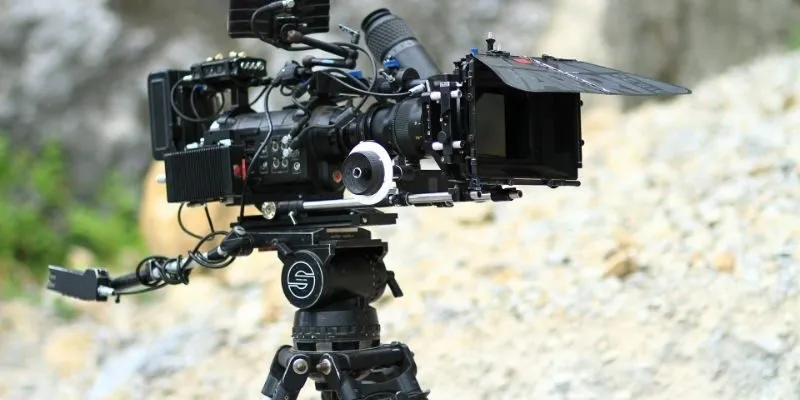
High-resolution digital cameras have replaced traditional film stock as the dominant medium for professional production. Cameras such as the ARRI Alexa 35 and RED Monstro 8K deliver stunning dynamic range and colour fidelity, allowing cinematographers to capture detail in both shadows and highlights with extraordinary precision. These systems integrate seamlessly with modern post-production pipelines, reducing turnaround times significantly.
The rise of modern cinematic technology in camera hardware has also democratised access to professional-grade tools. Mirrorless systems from Sony and Canon now rival dedicated cinema cameras in many contexts, enabling smaller crews to produce broadcast-quality content. This shift has encouraged a new generation of British filmmakers to experiment boldly with form and narrative structure.
Virtual production and LED volume stages
One of the most significant developments in recent years is the adoption of virtual production environments, particularly LED volume stages. Pioneered on productions like The Mandalorian, this technique uses massive curved LED walls to project real-time rendered backgrounds, allowing actors to perform within convincing digital environments without leaving the studio. State cinema UK coverage has highlighted several British studios investing heavily in this infrastructure.
Modern cinematic technology of this kind offers profound creative advantages. Directors can adjust lighting, weather, and environment in real time, responding to performance rather than being constrained by location logistics. The result is a more fluid and responsive creative process that benefits both storytelling and production efficiency.
Artificial intelligence in visual effects and post-production
AI-powered tools are now embedded throughout the post-production workflow. Software platforms like Runway ML and Adobe’s Sensei suite use machine learning to automate rotoscoping, colour grading, and even dialogue replacement. These capabilities, once requiring teams of specialists working for weeks, can now be completed in a fraction of the time. Modern cinematic technology driven by AI is not replacing human creativity but amplifying it, allowing artists to focus on nuanced decision-making rather than repetitive technical tasks.
Deepfake and de-ageing technologies, while ethically complex, have also entered mainstream production. Films such as The Irishman and Indiana Jones and the Dial of Destiny demonstrated how convincingly these tools can alter an actor’s appearance. As the technology matures, the boundary between practical and digital performance continues to blur in fascinating ways.
Key innovations shaping the cinema experience today
Beyond production, modern cinematic technology is also transforming how audiences experience film in theatrical settings. The following table provides a comparative overview of the most impactful innovations currently deployed across UK cinemas and global productions.
| Technology | Application | Key Benefit | Industry Adoption Level |
| Dolby Atmos | Immersive spatial audio | 360-degree sound placement | Widely adopted in major UK chains |
| IMAX with Laser | Large-format projection | Enhanced brightness and contrast | Premium venues nationwide |
| High Frame Rate (HFR) | Motion clarity | Reduces motion blur at 48–120fps | Selective, high-profile releases |
| LED volume stages | Virtual production | Real-time background rendering | Growing rapidly in UK studios |
| AI colour grading | Post-production workflow | Consistent look across scenes | Mainstream in professional pipelines |
| 4DX and ScreenX | Experiential cinema | Multi-sensory audience engagement | Expanding in UK multiplexes |
Each of these technologies reflects a broader industry commitment to elevating both the craft of filmmaking and the quality of audience engagement. As modern cinematic technology continues to evolve, these tools will likely become standard rather than exceptional features of the cinematic experience.
The future of storytelling through emerging cinematic tools
Looking ahead, the intersection of modern cinematic technology with extended reality, spatial computing, and generative AI promises to redefine what cinema means as a medium. Platforms like Apple Vision Pro are already introducing audiences to immersive viewing environments that challenge the traditional theatrical model. For filmmakers, this opens entirely new dimensions of narrative possibility.
Spatial audio and next-generation sound design

Sound has always been a powerful but underappreciated element of cinematic storytelling. With spatial audio formats like Dolby Atmos and Sony 360 Reality Audio, sound designers can now place individual audio elements anywhere in a three-dimensional space around the listener. This precision creates a profound sense of presence that significantly deepens emotional engagement with the narrative. Modern cinematic technology in audio is advancing as rapidly as its visual counterparts.
British sound designers have been at the forefront of adopting these formats, with productions from the BBC and independent studios regularly pushing the boundaries of what immersive audio can achieve. The craft demands a rethinking of traditional mixing approaches, encouraging collaboration between composers, dialogue editors, and effects teams from the earliest stages of production.
Generative AI and synthetic media
Generative AI tools are beginning to influence pre-production as well as post. Screenwriters and directors are using large language models to explore narrative possibilities, stress-test story structures, and generate reference imagery for pitches. While the creative authorship remains firmly human, modern cinematic technology in this space accelerates the ideation process considerably. Filmmaking & Industry News regularly covers the ethical and practical dimensions of these developments.
Synthetic media, including AI-generated environments, characters, and even music scores, is becoming increasingly sophisticated. Productions with limited budgets can now access visual and audio assets that were previously exclusive to well-funded studios. This democratisation is particularly significant for the UK’s vibrant independent film sector, where creativity has always thrived despite resource constraints.
Extended reality and immersive cinema formats
Extended reality (XR) encompasses virtual reality (VR), augmented reality (AR), and mixed reality (MR), all of which are finding meaningful applications in film. VR experiences tied to major releases, such as those produced for Dune and Jurassic World, allow audiences to inhabit narrative worlds in genuinely interactive ways. Modern cinematic technology of this kind represents a convergence of gaming, theatre, and traditional film that is still in its early stages but growing rapidly.
For UK filmmakers, XR presents both opportunity and challenge. The technical demands are considerable, requiring expertise in real-time rendering engines like Unreal Engine alongside traditional filmmaking skills. However, the storytelling potential is extraordinary, offering audiences agency and immersion that no conventional screen format can replicate.
Conclusion
Modern cinematic technology is not simply a collection of tools — it represents a fundamental evolution in how human stories are crafted, experienced, and remembered. From AI-enhanced post-production to immersive theatrical formats, these innovations are reshaping every layer of the filmmaking process. Stay informed with the latest developments by following trusted industry sources and exploring dedicated coverage of cinema technology as it continues to advance.