
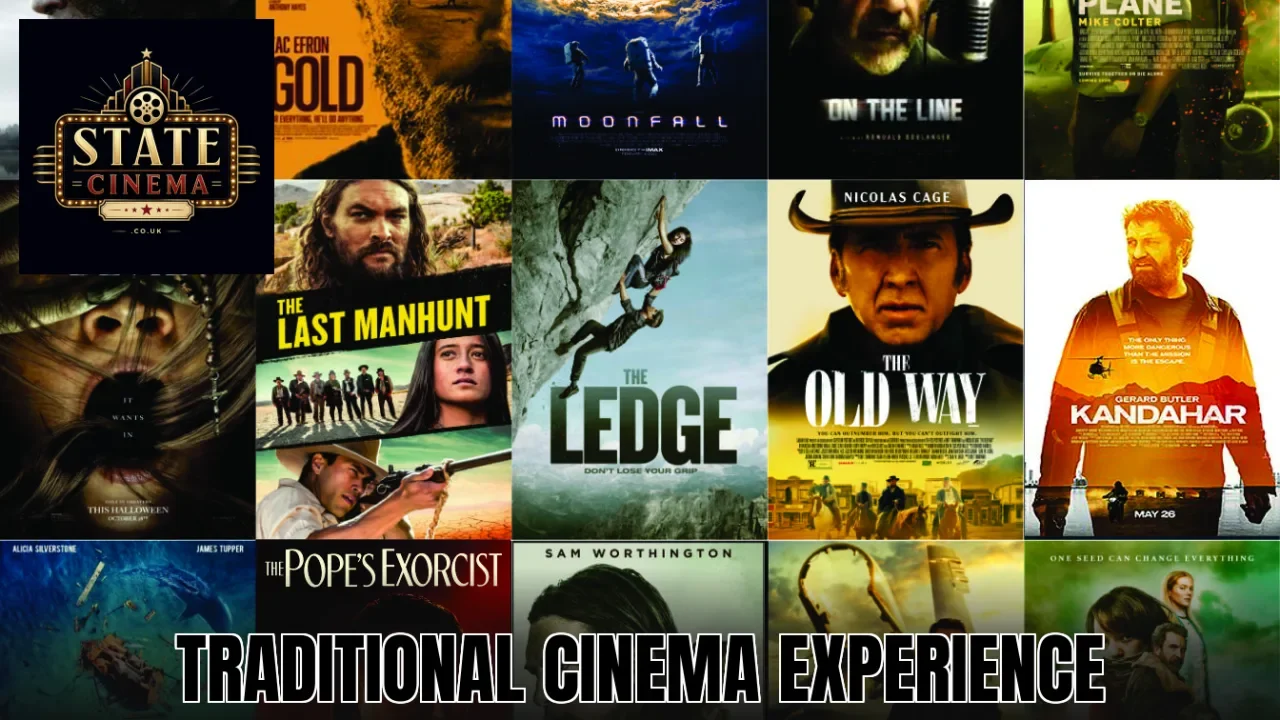
The traditional cinema experience has endured for over a century, and yet it continues to captivate audiences in ways that streaming platforms simply cannot replicate. From the moment you step through the doors of a classic picture house to the final credits rolling across a grand silver screen, every element is designed to immerse you completely. This article explores what defines this beloved ritual, why it still matters in the digital age, and what elements make a trip to the cinema feel genuinely special rather than merely convenient.
The History And Soul Of The Traditional Cinema Experience
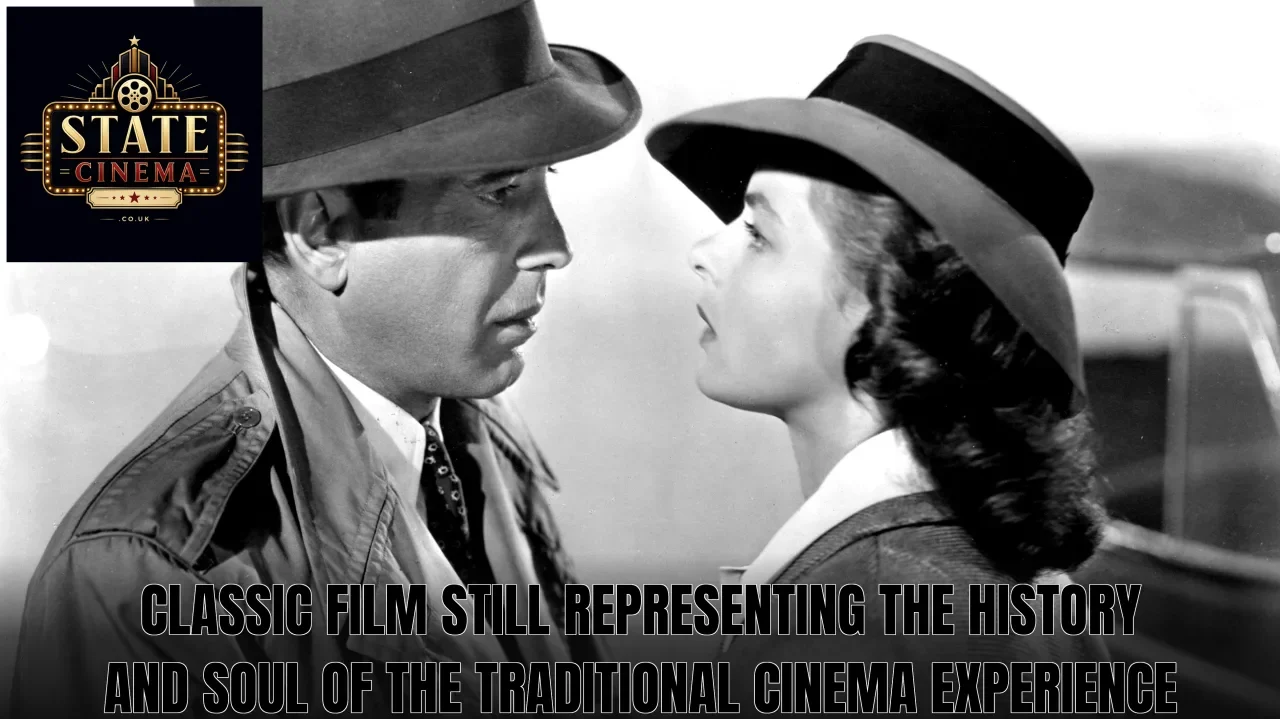
Understanding the roots of cinema culture helps explain why so many people remain devoted to it. The traditional cinema experience did not emerge overnight — it was shaped over decades by architects, projectionists, showmen, and audiences who collectively defined what going to the movies should feel like. Early picture palaces were designed to evoke grandeur and escapism, drawing inspiration from opera houses and theatres. These were spaces built to make ordinary people feel extraordinary, and that philosophy never truly disappeared.
The Architecture Of Classic Picture Houses
One of the most defining features of the traditional cinema experience is the physical space itself. Historic cinema buildings were constructed with deliberate theatricality — ornate facades, sweeping staircases, gilded ceilings, and plush seating arrangements that signalled to the audience they were entering somewhere special. These architectural choices were not accidental. Designers understood that the journey into the auditorium was part of the experience, a gradual transition from the everyday world into a realm of pure storytelling. Many of Britain’s most beloved independent cinemas still occupy these original buildings, preserving not just the films but the atmosphere that surrounds them.
Projection Technology And The Art Of The Screening
The craft of film projection is central to any authentic traditional cinema experience. Skilled projectionists once managed every aspect of a screening — from threading the film reel to adjusting focus and managing sound levels in real time. While digital projection has largely replaced celluloid in modern venues, many heritage cinemas have retained their 35mm or 70mm projection capabilities, offering occasional screenings that reconnect audiences with the warmth and texture of analogue film. The flicker of a projector beam cutting through a darkened room carries a distinct emotional weight that digital formats struggle to match, and enthusiasts travel considerable distances to seek it out.
The Role Of Communal Viewing In Cinema Culture
Perhaps the most irreplaceable aspect of the traditional cinema experience is the communal dimension. Watching a film alongside strangers creates a shared emotional space that fundamentally changes how stories land. Laughter, tension, and tears are amplified when experienced collectively. Social psychologists have noted that group viewing increases emotional engagement and memory retention — meaning films watched in a cinema are simply felt more deeply. This communal ritual is something no home streaming setup can authentically reproduce, regardless of screen size or sound system quality.
Key Elements That Define A Classic Traditional Cinema Experience
Not every cinema delivers the same quality of experience, and understanding what separates a truly memorable visit from a forgettable one helps audiences make better choices. The finest examples of the traditional cinema experience share a set of consistent qualities that span the sensory, social, and cultural dimensions of a visit.
Sound Design And Acoustic Excellence
A genuinely immersive traditional cinema experience depends heavily on sound. The acoustic design of a purpose-built auditorium — with its carefully angled walls, absorbent materials, and calibrated speaker placement — creates a sonic environment that envelops the audience rather than merely reaching them. Films mixed for theatrical release are engineered specifically for these spaces, meaning the director’s full sonic vision is only realised in a proper cinema setting. From the low rumble of a distant explosion to the delicate rustle of leaves in a quiet scene, theatrical audio adds layers of detail that home systems consistently compress or lose.
The Ritual Of Concessions And Pre-Show Culture
The rituals surrounding a cinema visit are inseparable from the traditional cinema experience itself. Queuing for tickets, selecting refreshments, finding your seat as the lights dim — these small ceremonies build anticipation and signal a psychological shift from everyday life into a dedicated space for storytelling. Classic British cinemas often feature intermissions, allowing audiences to stretch, socialise, and reflect before the second half begins. These pauses, once standard practice, are experiencing a quiet revival among independent venues that understand the value of pacing an evening’s entertainment rather than rushing through it.
Curated Programming And Film Selection
The quality of a traditional cinema experience is also shaped by the films a venue chooses to screen. Independent and heritage cinemas typically programme with genuine curatorial intent — balancing new releases with classic retrospectives, foreign language films, and director-focused seasons. This approach transforms cinema attendance into something closer to cultural participation than passive entertainment consumption. Audiences who engage with thoughtfully curated programmes develop a richer relationship with film history, discovering connections between eras, genres, and movements that multiplex schedules rarely allow space to explore.
Why The Traditional Cinema Experience Still Matters Today
In an era dominated by on-demand streaming, subscription services, and home theatre technology, the continued relevance of the traditional cinema experience is worth examining seriously. The data suggests audiences have not abandoned cinemas — they have simply become more selective about when and why they attend. This shift has, in many ways, strengthened the case for quality over quantity.

The Psychological Benefits Of Dedicated Viewing Spaces
Research into attention and media consumption consistently shows that dedicated viewing environments improve focus and emotional engagement. The traditional cinema experience removes the distractions that fragment home viewing — notifications, background noise, multitasking — and replaces them with a controlled sensory environment designed entirely around the film. This undivided attention allows stories to penetrate more deeply, producing stronger emotional responses and more lasting impressions. For many regular cinema-goers, this quality of attention is itself the primary motivation for attending, independent of any specific film.
Supporting Independent Cinemas And Local Culture
Choosing to engage with the traditional cinema experience at an independent venue carries cultural and economic significance beyond personal enjoyment. Independent cinemas are frequently anchors of local arts communities, hosting events, supporting emerging filmmakers, and providing accessible cultural programming for audiences who might not otherwise engage with the arts. When audiences prioritise these venues, they sustain institutions that enrich the broader cultural landscape. The relationship between a local cinema and its community is often deeply personal, spanning generations and carrying memories that no streaming algorithm can replicate or replace.
Traditional Cinema Experience Versus Modern Multiplex: A Comparison
To understand the full value of the traditional cinema experience, it helps to compare it directly against the contemporary multiplex model across several key dimensions.
| Feature | Traditional Cinema | Modern Multiplex |
|---|---|---|
| Auditorium Design | Heritage architecture, acoustic optimisation | Functional, standardised layouts |
| Programming | Curated, diverse, culturally rich | Commercially driven, blockbuster-focused |
| Projection Quality | Often includes 35mm or premium formats | Standard digital projection |
| Community Connection | Deep local roots and cultural identity | Chain-operated, less community focus |
| Atmosphere | Intimate, characterful, immersive | Efficient but often impersonal |
| Concession Culture | Often locally sourced, distinctive offerings | Standardised branded products |
Conclusion
The traditional cinema experience represents far more than a method of watching films — it is a cultural institution, a communal ritual, and a carefully preserved art form that continues to reward those who seek it out. From the acoustic precision of a heritage auditorium to the curatorial intelligence of an independent programme, every element of a classic cinema visit is designed to deepen the relationship between audience and story. If you are ready to rediscover what cinema truly feels like, State Cinema UK offers an exceptional destination that honours every dimension of this beloved tradition. Book your visit and experience cinema the way it was always meant to be.
Xem thêm: Best Cinemas In The UK: A Complete Guide To The Finest — best cinemas in the uk